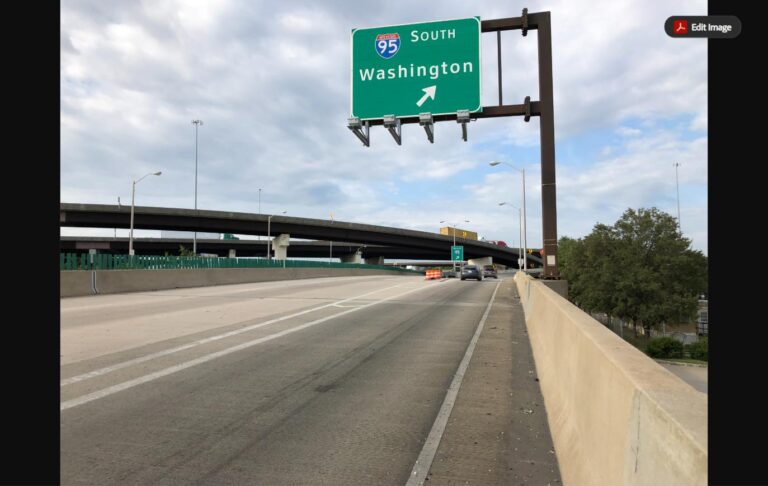
Duty to Inform: The Urban Carrier’s Guide to Interacting with Law Enforcement
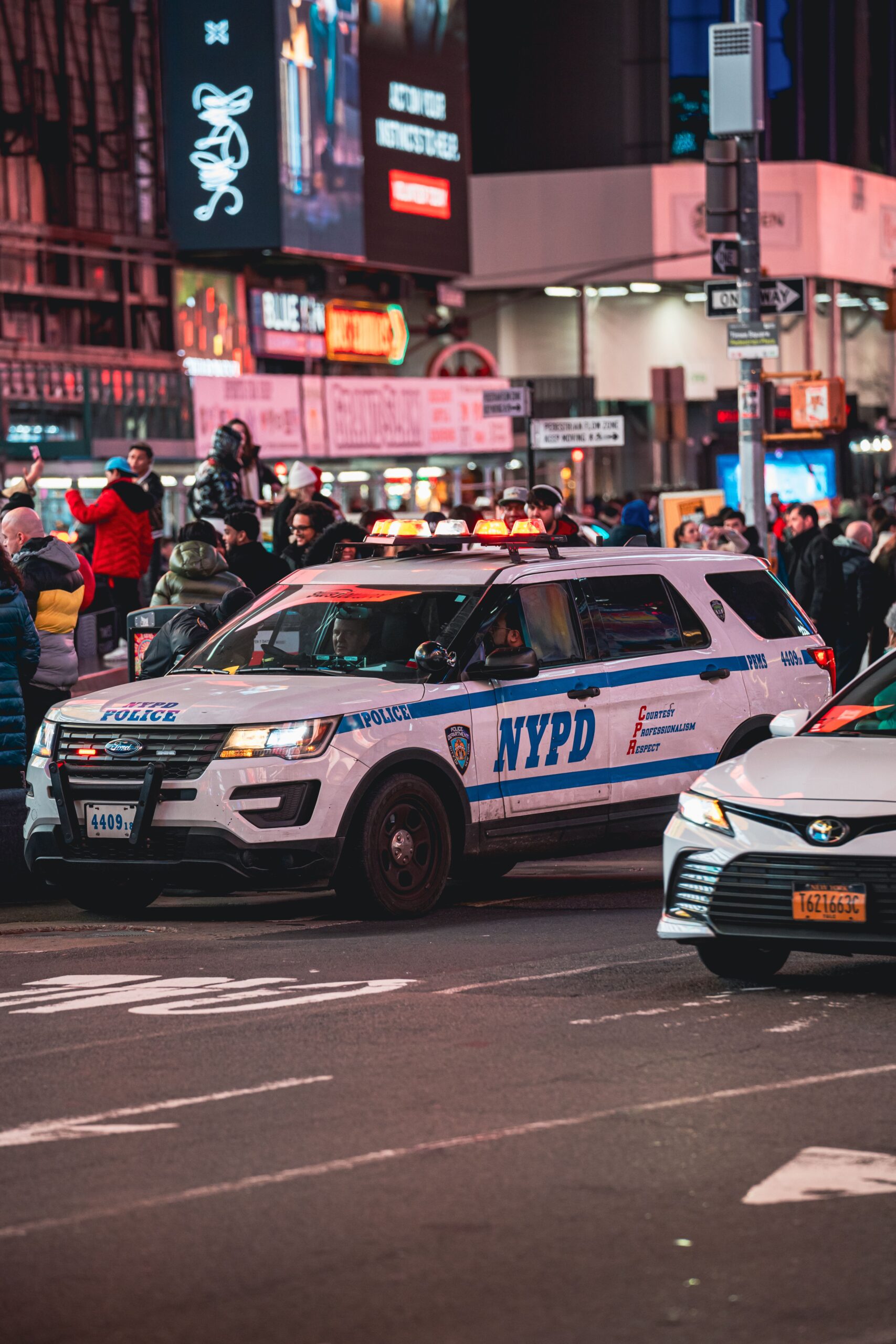
Almost every guide to police interactions while carrying concealed opens with the same advice: be calm, be polite, keep your hands visible. That is fine as far as it goes, but it skips the part that actually varies, which is your duty to inform: what the law in your jurisdiction requires you to say, and when. In the DC-Maryland-Virginia area those rules are not the same across a fifteen minute drive, and getting them wrong is the difference between a routine stop and a criminal charge.
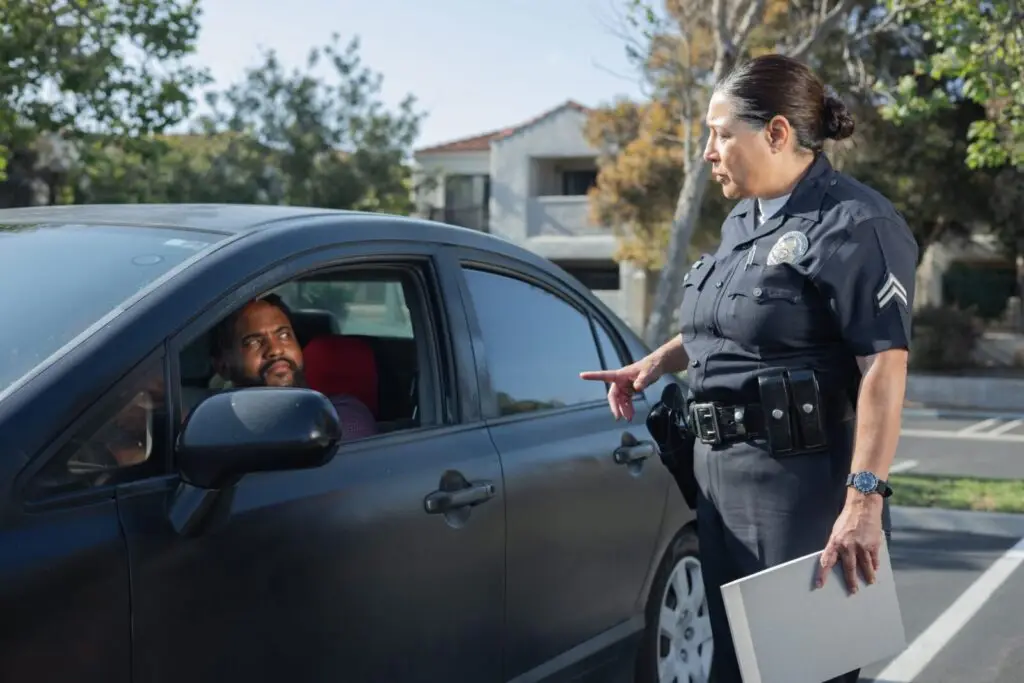
Duty to inform: what each DMV jurisdiction actually requires
“Duty to inform” means a statute requires you to tell an officer you are armed. It is a narrow question, and it is separate from whether you must carry your permit, whether you must hand it over when asked, and whether you must answer honestly if the officer asks directly. Those are different obligations that can apply in the same stop.
Washington, DC has an explicit duty. Under D.C. Code § 7-2509.04(d), if an officer initiates an investigative stop of a licensee carrying a concealed pistol, the licensee must disclose that they are carrying, present the license and registration certificate, identify where the pistol is, and comply with lawful orders, which the statute says expressly includes allowing a pat down and permitting the officer to take possession of the pistol for the duration of the stop. The same section requires you to have the license on you every time you carry in the District. DC is the strictest of the three on this point, and the obligation is triggered by the stop itself, not by the officer asking.
Maryland has no duty to inform. No Maryland statute requires you to volunteer that you are armed during a stop. What Maryland does require is possession of the permit: Md. Public Safety § 5-308 provides that a permit holder shall carry the permit whenever carrying the handgun. Carrying without the permit on you is its own problem, independent of anything you say.
Virginia has no proactive duty either, but a permit holder must have the permit in their possession and display it on demand of a law enforcement officer. No volunteering required; production required when asked.
Pennsylvania, a common destination for Maryland drivers heading north, has no statutory duty to inform.
No duty to inform tells you one thing only: no statute requires you to volunteer it. It does not mean you can decline to produce a permit, and it does not mean you can answer untruthfully if an officer asks you directly. Those are separate rules.
Why carriers still disclose in states with no duty to inform
Plenty of carriers in Maryland and Virginia choose to disclose anyway, and the reasoning is practical rather than legal. An officer who learns about a firearm partway through a stop, after running your plate or during a consent search, is in a worse position than one who was told at the window. Disclosure removes a surprise. It is a judgment call, not an obligation, and it is worth deciding in advance rather than in the moment.
If you do disclose, say it plainly and completely in one sentence, including where the firearm is, and then stop talking and wait for direction. Reaching for a permit while explaining is how misunderstandings start.
Practical handling of a traffic stop
None of the following is legally required. It is the conduct commonly recommended by instructors and by permit-issuing agencies, and its value is that it removes ambiguity about your movements.
- Pull over promptly and somewhere the officer can approach safely. Put the vehicle in park and turn off the engine.
- Turn on the interior light if it is dark, and lower the driver’s window before the officer arrives.
- Keep both hands on the wheel where they are visible, and leave them there until you are told otherwise.
- Do not reach for your wallet, glovebox, or console before being asked. If your documents are near your firearm, say so before you move.
- Narrate before you act: state where a document is and ask how the officer would like you to retrieve it.
- If passengers are carrying, that is their disclosure to make where the law requires it. In DC, the statute reaches other licensees present at the stop.
If you are told to hand over the firearm
In DC the statute explicitly contemplates the officer taking possession of the pistol for the length of the stop. In Maryland and Virginia there is no equivalent statutory text, but an officer may still lawfully disarm someone temporarily during an investigative detention for safety reasons.
The roadside is not the venue to litigate whether a given order was lawful. Comply, keep your hands clear, and do not physically resist. If you believe the stop or the seizure was improper, the remedy is a complaint or a lawyer afterward, with the officer’s name, badge number, agency, and the time and location written down while you still remember them.
Legal note
This is general legal education, not legal advice, and duty-to-inform rules change. Verify current requirements against the statute itself or with the issuing agency before you travel: the Maryland State Police Wear and Carry Permit page, the D.C. Code provisions on licensee duties and prohibited places, and the Virginia concealed handgun permit statutes. Handgunlaw.us maintains a state-by-state summary of must-inform rules with the statutory text quoted. Consult an attorney for your specific situation.