
Urban Concealed Carry: The Complete Guide for City Carriers
If you carry in the city, you already know the deal: nobody should be able to tell you’re carrying, and the rules can change every few blocks. Packed trains, tight parking garages, office dress codes, and a patchwork of city and state laws make urban carry its own animal.
There’s no holy grail setup here. What works for a big guy in a hoodie won’t work for someone in a fitted suit, and that’s fine. This guide pulls together everything we cover for city carriers, from staying legal to staying invisible, and points you to the deep dives. Take what fits your body, your wardrobe, and your day, and leave the rest.
Urban carry at a glance
- Know your city’s rules, not just your state’s. Cities stack their own restrictions on top of state law. Start with our concealed carry laws by city.
- Check transit rules before you ride. Some systems ban guns outright. See our public transit carry guide.
- Know whether you have a duty to inform. Some places require you to tell an officer you’re armed during a stop. Our duty to inform guide covers MD, VA and DC.
- Concealment first. No bulges, no printing. The right carry clothing does a lot of the work.
- Go compact, and holster it right. A pistol around a 3 to 4 inch barrel is easier to hide than a full-size, and your holster should click in and hold it securely. Compare options in our pistols for city living and leather vs Kydex guides.
- Have a plan for places you can’t carry. Know the no-carry zones on your route, and check your state and city rules before leaving a gun in the car, because vehicle storage laws vary.
- Practice like you live. Range time matters, and so does drawing from a seated position, since you spend a lot of the day in a car, on a train, or at a desk.
- Avoid and de-escalate first. The best fight in the city is the one you walk away from.
- Have a plan for the car. When you can’t carry somewhere, a locked, hard-sided car safe is your fallback. See our vehicle concealed carry guide.
The goal of concealed carry is personal protection: a responsibility that should always emphasize avoidance, de-escalation, and the preservation of life whenever possible.
Heads up: some links on this page are affiliate links. If you buy through them, Urban Carry Info may earn a commission at no extra cost to you.
In This Guide
Know the rules where you actually are
Here’s the part that trips up city carriers the most: the law isn’t one rulebook. It’s a stack.
- State law decides whether you need a permit and who gets one. In Maryland that’s the Wear and Carry Permit.
- City and county rules add their own no-go spots on top. Our concealed carry laws by city hub breaks down Baltimore, DC, Philadelphia, New York City, Chicago, Atlanta, Houston, and Los Angeles.
- Transit systems can be their own category entirely. Maryland bans concealed weapons on Maryland Transit Administration property, New York bans guns on the subway (the Second Circuit upheld that in 2025), and Illinois bans carry on the CTA and Metra (the Seventh Circuit upheld that in 2025 too). Our public transit carry guide covers eight cities.
- Specific places like courthouses, schools, government buildings, and polling places are off-limits almost everywhere. See our no-carry zones guide.
- Private property rules sit on top of all of it. A permit doesn’t override an owner who says no.
Then there’s the border problem. Metro areas spill across state lines, and your permit doesn’t always come with you. Maryland and DC don’t honor any out-of-state permit, while Virginia is rewriting its recognition rules through 2027. Our DC-Maryland-Virginia reciprocity guide walks through it, and the national reciprocity guide covers the rest of the country.
Last legal piece: know whether you have to tell an officer you’re armed during a stop. Some places require it, some don’t, and the DMV has both kinds within a few miles. Our duty to inform guide has the details for Maryland, Virginia, and DC.

Pick a gun you’ll actually carry
The best carry gun is the one that’s on you, not the one sitting in the safe because it was too heavy to bother with. In the city, that usually points toward a compact or subcompact pistol with a barrel around 3 to 4 inches. It hides under a regular shirt, and it’s still big enough to shoot well.
Popular options like the Sig Sauer P365, Glock 43X, and Smith & Wesson Shield Plus all play in that space. The tradeoff is capacity versus size: a smaller gun hides easier but holds fewer rounds. If you run a Glock 43X or 48, aftermarket 15-round magazines like the Shield Arms S15 close some of that gap. Just check your state’s magazine limits first (some states cap them at 10, and 10-round compliant mags exist for exactly that reason).
Want the full breakdown? Start with our best concealed carry pistols for city living, and if you’re torn on the platform itself, read revolver vs. semi-auto (plus striker vs. hammer-fired).
Ammo matters more in a city than almost anywhere else, because there are people behind, beside, and in front of whatever you’re shooting at. Carry quality defensive hollow points, and make sure your gun runs them reliably before you trust it on the street.
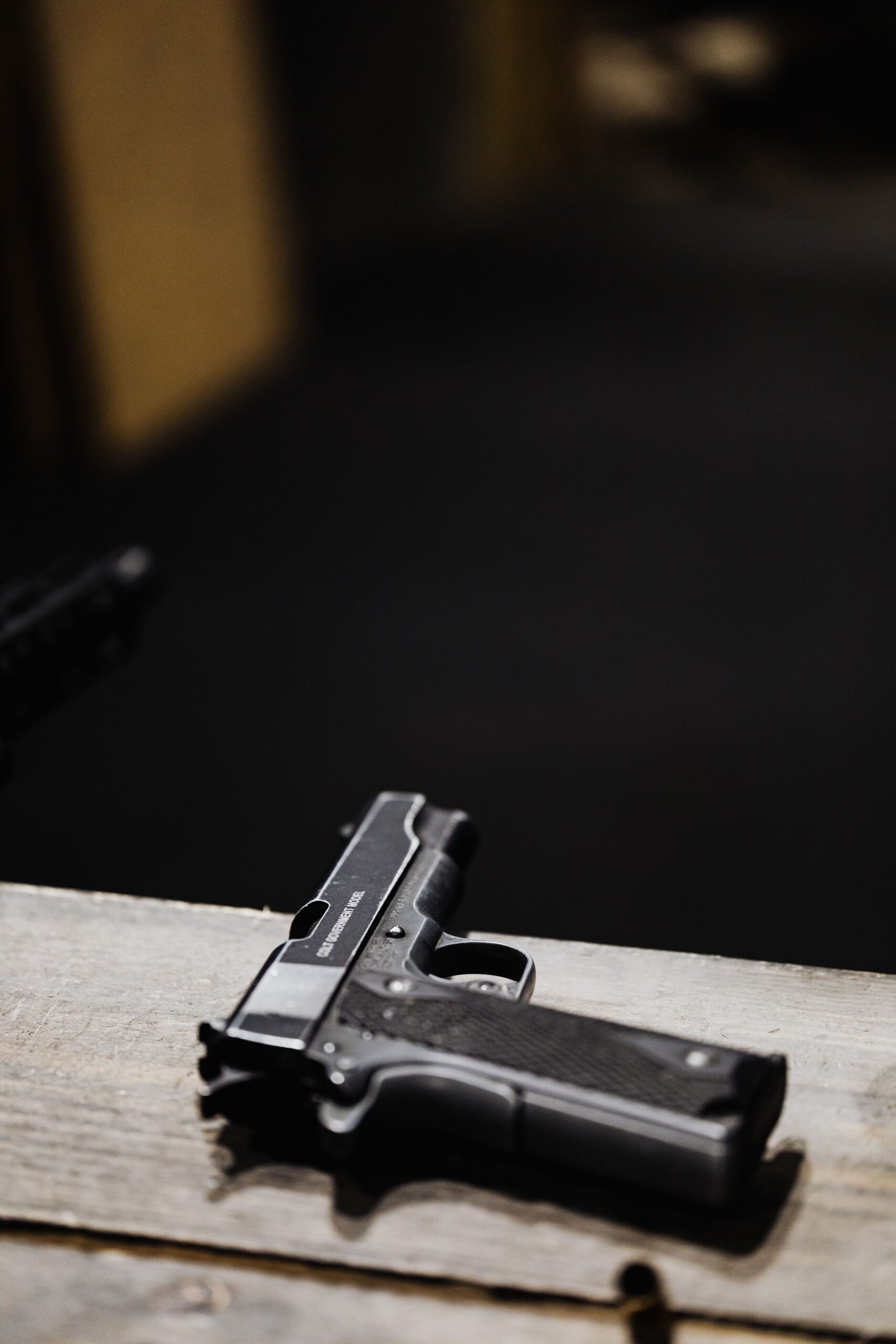
Holster, belt, and carry position
If the gun is the engine, the holster and belt are the chassis. Skimp here and nothing else works.
A good carry holster does three jobs: it covers the trigger guard completely, it clicks in and holds the gun securely (even when you’re jogging for a bus), and it keeps the gun at the same spot every time so your draw is consistent. A sturdy gun belt does the rest by keeping the whole setup from sagging and printing by lunchtime. Our gun belt guide covers leather, nylon, and stretch options and how to size one.
- Material: Kydex is rigid, fast, and easy to reholster. Leather is quieter and often more comfortable against skin. Neither one wins for everybody, and we lay out the tradeoffs in leather vs. Kydex holsters for city carry. If you want to shop, Galco makes leather holsters for almost every common carry gun, and Rounded by Concealment Express makes molded Kydex inside-the-waistband holsters.
- Position: appendix carry hides well on slimmer builds and gives you a short draw; strong-side carry often sits better on bigger midsections and when you’re seated a lot. Our appendix vs. strong-side carry guide explains how to test both before you spend money.
- Fit: buy a holster made for your exact gun model (and your light or red dot, if you run one). “Universal” holsters are a compromise in all the wrong places.
Dress around the gun
Concealment first. No bulges, no printing, no “tactical” look that tells everyone on the train what’s under your shirt.
The good news is you don’t need a wardrobe full of cargo pants. A shirt with a little room through the torso, darker or patterned fabric, and a cover layer that stays on when you walk into a heated building get you most of the way. Do the mirror test before you leave: look from the side, then bend, reach, and sit. Still showing? Our guide on how to stop printing walks through six fixes.
For pieces that look like regular streetwear, our concealed carry clothing guide covers joggers, stretch jeans, jackets, leggings, and belts. Arrowhead Tactical Apparel is one brand built around that idea. If you dress up for work, our guide for professionals covers office settings.
When on-body carry doesn’t work
Sometimes the outfit, the job, or the weather just won’t cooperate. That’s where off-body carry comes in: a backpack, sling, or fanny pack with a dedicated, organized compartment for the gun.
It works, but it comes with rules of its own. The bag has to stay on you or in your hand at all times (no hanging it on a chair at the coffee shop), the gun still needs a holster inside the bag, and your draw will be slower than from the waistband. Practice it.
Options to look at include a full backpack like the Vertx Gamut CCW Backpack or a smaller waist pack like the Vertx Everyday Fanny Pack. We compare more of them in the best concealed carry backpacks and bags for city carry.
Moving through the city
A city day has a lot of handoffs: car to garage, garage to office, office to train, train to apartment. Each one needs a plan.
- Trains and crowds: turnstiles, packed cars, and revolving doors are where printing and bumps happen. Our subways, skyscrapers and sidearms guide covers how to adapt.
- Work: if your workplace bans guns, you need a legal plan for where the gun goes before you get there.
- The car: when you can’t carry somewhere, the car is the usual fallback, but storage rules vary by state. Virginia, for example, now requires a handgun left in an unattended car to be out of sight in a locked, hard-sided container. A dedicated lockbox like the Vaultek LifePod 10 covers that, and our DMV guide lays out more options.
- Home base: apartments come with thin walls, shared hallways, and neighbors on every side. Our apartment safety and defense guide covers layout and storage.
- Everything else you carry: a good flashlight (like the RovyVon Aurora A8x), a charged phone, and a small tourniquet do more for you on an average day than the gun ever will. Our urban EDC essentials guide covers the full kit.

Train like you live
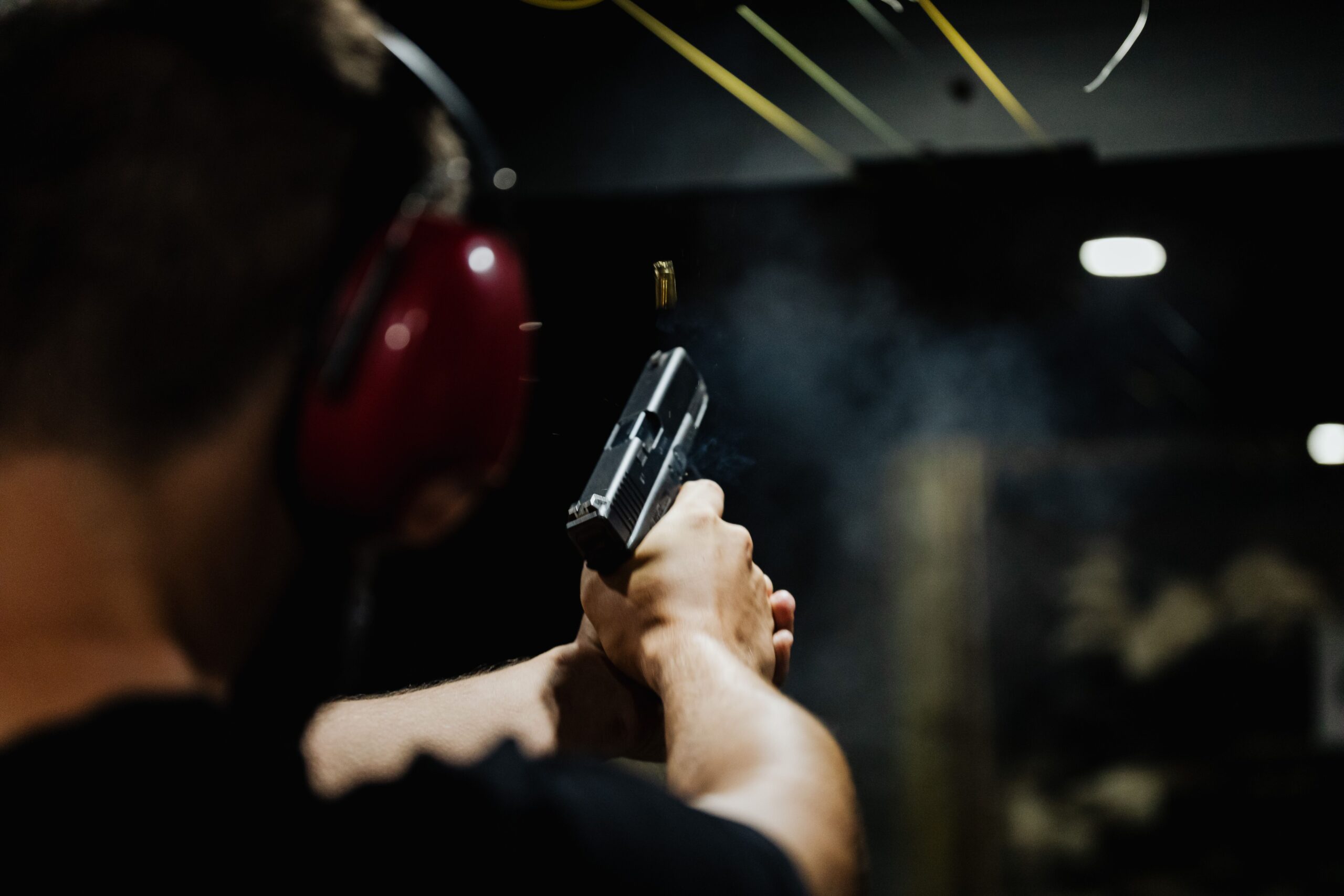
I got into carrying through a friend, and most of what I know about grip, aim, and zeroing a red dot came from time on the range. There’s no shortcut around that part.
Your permit class gets you started. After that, build the skills a city day actually asks for:
- Draw from concealment, with the clothes you really wear, not a range vest.
- Draw from a seated position. You spend a big chunk of the day in a car, on a train, or at a desk.
- Practice in low light, because garages, stairwells, and side streets aren’t lit like a range.
- Dry-fire at home with the gun unloaded and all ammo out of the room. It’s free, and it builds a smooth draw faster than anything else.
- Take a class beyond the basics once you’re comfortable: one that covers movement, shooting near other people, and force-on-force scenarios if you can find one.
Avoid, de-escalate, and handle the aftermath
The best fight in the city is the one you walk away from. Carrying a gun doesn’t make you the neighborhood’s referee, and it definitely doesn’t make you the guy who wins an argument about a parking spot.
- Stay aware without being paranoid. Phone down at crosswalks, transit platforms, and parking garages. Notice who’s around you and where the exits are.
- Leave early. If something feels off, crossing the street or waiting for the next train costs you a few minutes. A confrontation can cost you everything.
- Keep the ego in check. Let the insult go. Seriously.
- Know your plan for police contact: hands visible, calm voice, and whatever your state requires you to say (see our duty to inform guide).
- Think about the legal aftermath now, not later. Groups like the Armed Citizens Legal Defense Network and USCCA offer legal-defense memberships. Compare what each one actually covers before you sign up.
FAQ
Can you concealed carry in a big city?
In most U.S. cities, yes, if you meet your state’s requirements. But cities stack extra restrictions on top of state law, especially on transit and in government buildings. Check your city in our carry laws by city hub.
What’s the best gun for city carry?
There isn’t one. A compact or subcompact pistol with a barrel around 3 to 4 inches is the sweet spot for most people, but the right gun depends on your hands, your build, and how you dress. Our pistols for city living guide compares options.
Can I carry on the subway or bus?
It depends entirely on the city. Maryland, New York, and Illinois ban it on their transit systems; Pennsylvania, Georgia, and Texas generally allow licensed carry on transit. See the city-by-city rundown in our public transit guide.
I’m brand new. Where do I start?
Start with the permit process in your state, then a quality holster and range time. Our beginner’s guide to urban carry walks you through the first steps.
Find what works for you
Carrying in the city is a lot to juggle: the law, the crowds, the dress code, and your own head. You don’t have to master all of it overnight.
Start with the rules where you live and work in our concealed carry laws by city hub. Then get your setup dialed in with the concealed carry gear guide, and put in real range time.
There’s no single right way to carry in the city. Find the setup that fits your body, your wardrobe, and your day, and keep refining it. Stay discreet. Stay ready. Stay legal.
Disclaimer
This guide is provided for informational purposes only and does not constitute legal advice. Laws governing concealed carry vary significantly by location. Always consult with qualified legal professionals familiar with your specific jurisdiction. Additionally, proper training from certified instructors is essential before carrying a concealed firearm. The author and publisher assume no liability for actions taken based on this information.
Primary sources. Legal points in this guide are drawn from the statutes and decisions themselves rather than secondary summaries. Maryland: the Wear and Carry Permit and Handgun Qualification License pages from the Maryland State Police, Md. Criminal Law § 4-208, Md. Transportation § 7-705, and handgunlaw.us’s Maryland summary. District of Columbia: D.C. Code § 7-2509.07. Virginia: the concealed handgun permit article of the Code of Virginia. Transit rulings cited above are Frey v. City of New York (2d Cir., Sept. 19, 2025) and Schoenthal v. Raoul (7th Cir., Sept. 2, 2025). Verify current status before relying on any of it.
Related reading
More Tips & Strategies
-
Concealed Carry for Beginners: Urban Challenges and Solutions

Most guides to concealed carry for beginners are written for somewhere with one set of rules and a lot of parking. City carry is a different problem, and the DC-Maryland-Virginia area is close to the hardest version of it in the country: three jurisdictions with incompatible rules, a transit system that crosses all three, and…
-
Duty to Inform: The Urban Carrier’s Guide to Interacting with Law Enforcement
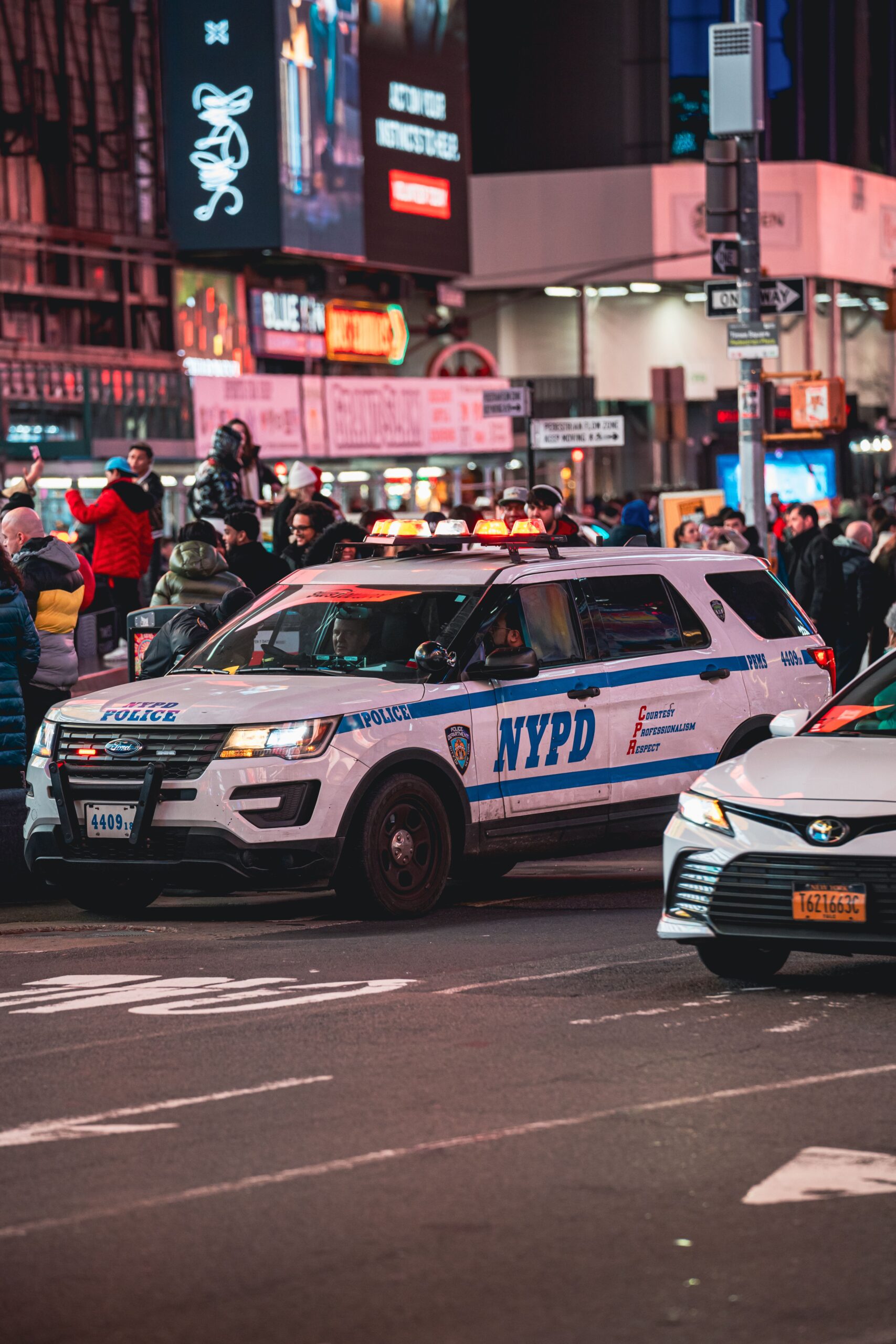
Almost every guide to police interactions while carrying concealed opens with the same advice: be calm, be polite, keep your hands visible. That is fine as far as it goes, but it skips the part that actually varies, which is your duty to inform: what the law in your jurisdiction requires you to say, and…
-
The Apartment Advantage: Optimizing Your Urban Space for Safety and Defense

The Apartment Advantage: Optimizing Your Urban Space for Safety and Defense The modern urban apartment: a compact universe of possibilities nestled within the vibrant energy of city life. While many view apartment living as a compromise compared to single-family homes, those with a security mindset recognize the hidden tactical advantages these spaces offer. Your apartment…