How to Get a Maryland Wear and Carry Permit in 2026: Requirements, Training, Cost & Timeline
A Maryland Wear and Carry Permit is the only legal way for most private citizens to carry a loaded handgun in public in Maryland. Maryland doesn’t recognize any other state’s carry permit, so a license from Virginia, Pennsylvania, or anywhere else doesn’t cover you once you cross the state line. The good news is that getting one is much more predictable than it was a few years ago. Maryland no longer asks you to prove a special need to carry. If you meet the legal criteria, finish the training, and pass the background investigation, the State Police must issue the permit.

This guide walks through the whole process as it stands in September 2026: who qualifies, what the 16-hour training covers, what it costs, how long it takes, what to do if you’re denied, and where the permit still won’t let you carry. Every requirement below is tied to the Maryland State Police’s official guidance or the statute itself, and both are linked in the sources at the bottom.
At a glance
| Minimum age | 21 (or a member of the uniformed services or National Guard) |
| Training | 16 hours in person, including a live-fire qualification, completed within 2 years before you apply |
| State fee | $125 new, $75 renewal (fingerprinting and training cost extra) |
| Processing time | Up to 90 days |
| How long it lasts | First permit about 2 years, each renewal 3 years |
| Where to apply | Online, through the MSP Licensing Portal |
What Changed: No More “Good and Substantial Reason”
For years, Maryland applicants had to show a “good and substantial reason” to carry, such as a documented threat or a job that involved moving cash. Most ordinary applicants couldn’t meet that bar. That changed after the U.S. Supreme Court’s June 2022 decision in New York State Rifle & Pistol Association v. Bruen, which struck down New York’s similar “proper cause” rule. On July 5, 2022, then-Governor Larry Hogan directed the Maryland State Police to stop applying the standard, and the General Assembly formally repealed it in the Gun Safety Act of 2023 (SB 1).
Today, Public Safety Article § 5-306 says the Secretary of State Police “shall issue a permit within a reasonable time” to anyone who meets the listed criteria. In practice, Maryland now issues permits to anyone who qualifies. The one area where the State Police still use judgment is the background investigation, covered next.
Who Qualifies for a Maryland Wear and Carry Permit
Under § 5-306(a) and the MSP permit page, you must:
- Be at least 21, or be a member of the uniformed services or National Guard.
- Have no felony conviction, and no misdemeanor conviction for which you were sentenced to more than one year in prison.
- Have no conviction involving controlled dangerous substances, and not currently be on supervised probation for disqualifying offenses.
- Not be an alcoholic, addict, or habitual drug user, unless you’re under medical supervision.
- Not be subject to a current protective order, and have no disqualifying mental health history under the statute.
- Complete the required firearms training (next section), unless you’re exempt.
- Pass MSP’s investigation finding that you have not “exhibited a propensity for violence or instability” that could make carrying a handgun dangerous to you or others.
Applicants under 30 face an extra check under § 5-306. They can’t have been committed to a juvenile facility for more than a year, or have a juvenile delinquency finding for a crime of violence, a felony, or a misdemeanor carrying more than two years. The statute also bars applicants convicted of certain firearms offenses for five years.
If an old conviction is the only thing keeping you out, it may be worth checking whether it can be cleared. Our Maryland expungement guide explains which records qualify and how the process works.
The 16-Hour Training Requirement
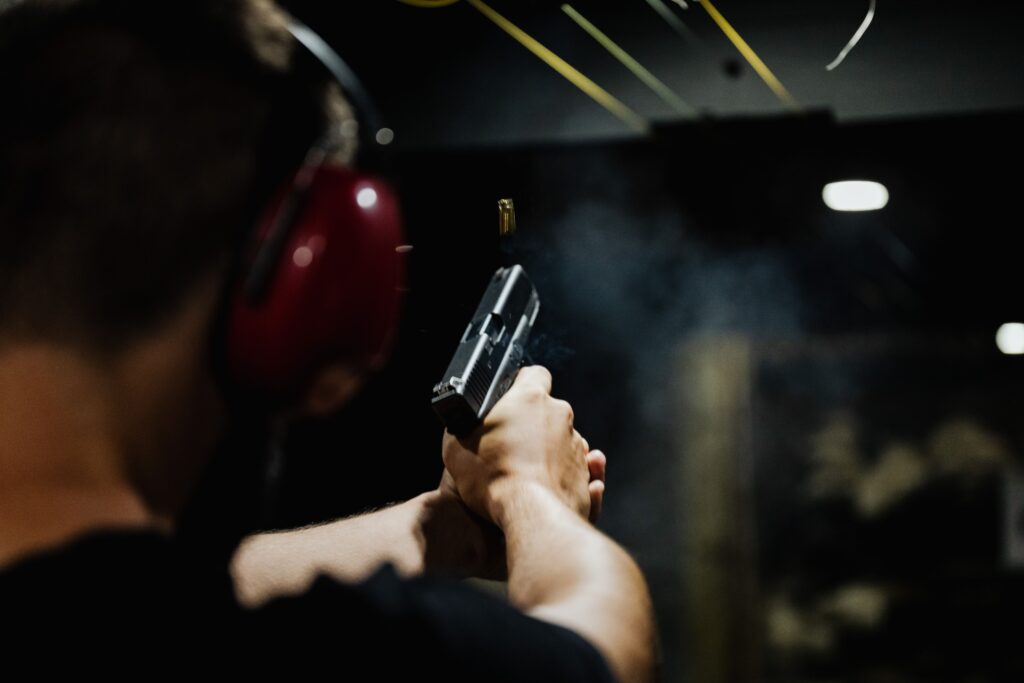
New applicants need at least 16 hours of in-person instruction from a qualified handgun instructor. The course has to be completed within two years before you apply. The statute lists what it must cover:
- State and federal firearm law
- Home firearm safety
- Handgun mechanisms and operation
- Conflict de-escalation and resolution
- Anger management
- Suicide prevention
- A live-fire qualification on a range, where you show “safe handling of a handgun” and “shooting proficiency with a handgun”
When you pass, your instructor gives you a signed MSP 29-14 Certified Qualification Score Sheet. You’ll upload it with your application. Before you pay for a course, confirm that the instructor holds a current MSP qualified handgun instructor certification. If they don’t, the score sheet won’t count.
Who’s exempt from training: under § 5-306(b), current and honorably retired law enforcement officers, members of the armed forces or National Guard, qualified handgun instructors, and people who have completed other firearms training approved by the Secretary. Renewals need an 8-hour course instead of 16.
How to Apply, Step by Step
Everything runs through the MSP Licensing Portal (licensingportal.mdsp.maryland.gov). MSP estimates the application itself takes 1.5 to 2 hours once you have your documents ready.
Maryland Wear & Carry Permit in 6 Steps
From training to a decision, based on Maryland State Police guidance
Step 1: Take the 16-hour course
From an MSP-certified instructor. Ends with a live-fire qualification and your signed MSP 29-14 score sheet.
Step 2: Get LiveScan fingerprints
Use the Wear and Carry codes on the MSP permit page. Keep the receipt to upload.
Step 3: Take a passport-style photo
A recent color photo, uploaded with your application.
Step 4: Apply in the Licensing Portal
Upload the score sheet, fingerprint receipt, and photo, then complete the application.
Step 5: Pay the $125 fee
Non-refundable. MSP flags incomplete applications within 1 to 5 business days.
Step 6: Get a decision within 90 days
If you’re denied, you have 10 days to request a hearing.
Current as of September 2026. Check the MSP permit page before you apply.
What It Costs
| Item | Cost |
|---|---|
| New permit application | $125 (non-refundable) |
| Renewal | $75 |
| Replacement or modification | $20 each |
| LiveScan fingerprinting | Separate, set by the fingerprint vendor |
| 16-hour training course | Separate, set by the instructor |
Active and retired law enforcement officers don’t pay the application fees. Training is usually the biggest cost, and prices vary a lot between instructors, so compare a few. When you do, check whether range time and ammunition are included.
If Your Application Is Denied
Under Public Safety § 5-312, you can ask the Office of Administrative Hearings for a new hearing within 10 days after you receive written notice of a denial. You can also ask for a hearing if MSP hasn’t acted within 90 days of your application. If you lose at the Office of Administrative Hearings, you can appeal to the circuit court. Ten days goes by fast. If you get a denial letter, contact a Maryland firearms attorney right away.
A Useful Bonus: Your HQL
The Handgun Qualification License (HQL) and the Wear and Carry Permit are separate credentials. You need an HQL to buy, rent, or receive a handgun in Maryland, and you need the permit to carry one. If you already have the carry permit, MSP’s HQL page offers a “Permit Exempt” route that skips new fingerprints and training paperwork. Section 5-306 also lets the State Police issue an HQL along with a permit without a separate application or fee. If you’re getting both, check the portal to see which route applies to you.
Once You Have It: The Rules That Still Apply
Keep the permit on you. Public Safety § 5-308 requires you to have the permit with you whenever you wear, carry, or transport a handgun. For how to handle a traffic stop, see our guide to interacting with law enforcement.
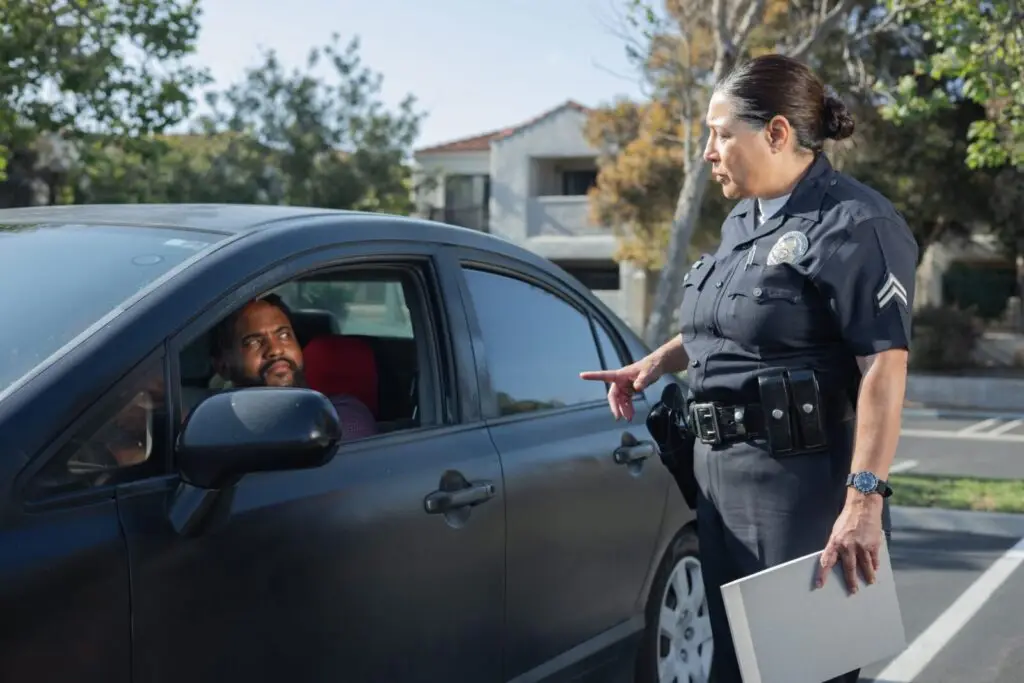
Carrying without a valid permit is serious. A first offense under Criminal Law § 4-203 carries 30 days to 5 years in prison, a fine of $250 to $2,500, or both.
Where You Still Can’t Carry
Having a permit doesn’t make every place legal. Under Criminal Law § 4-111 and related laws, MSP’s current list of prohibited places includes:
- Children and vulnerable people: preschools, public and private K-12 school property, child care centers, and health care facilities such as hospitals and nursing homes.
- Government and infrastructure: state and local government buildings, college and university buildings, polling places, and power, gas, and nuclear plants.
- Special-purpose venues: stadiums, museums, amusement parks, racetracks, and casinos.
- State parks and forests, and state highway rest areas.
- MTA transit: Transportation Article § 7-705(b)(6) bars “concealed weapons” on MTA vehicles, in MTA boarding facilities, and on MARC trains. The statute makes no exception for permit holders. Our public transit carry guide covers the details.
Violating § 4-111 is a misdemeanor punishable by up to one year in jail, a $1,000 fine, or both. There’s also a vehicle exception: the ban doesn’t apply to a firearm kept in a motor vehicle if it’s locked in a container, or if it’s a handgun carried in compliance with your permit.
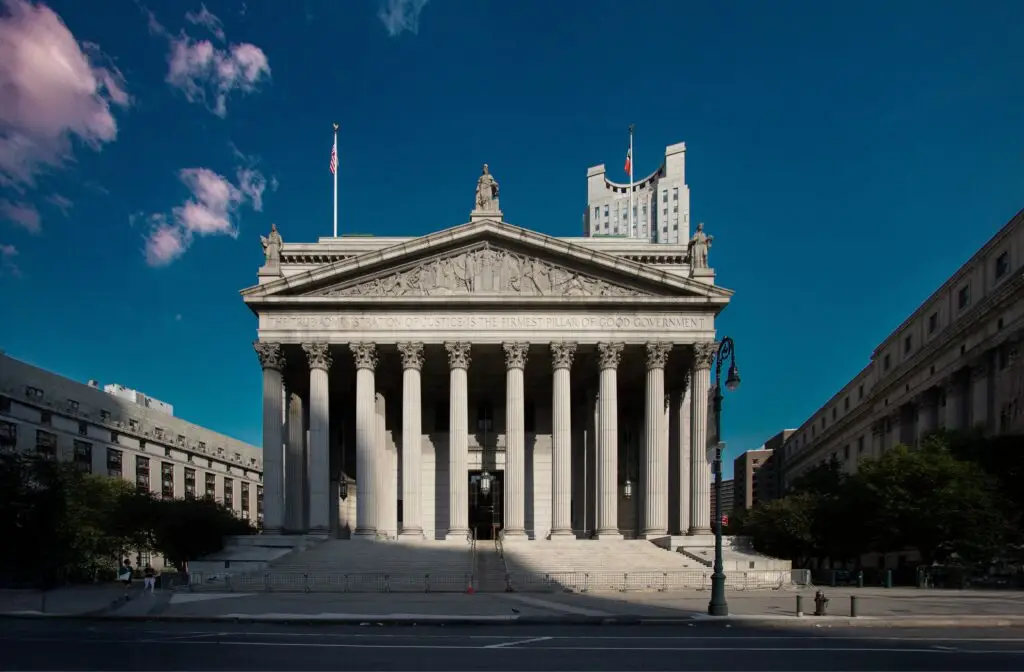
Current court status, September 2026
In Kipke v. Moore (4th Cir., January 20, 2026), the federal appeals court upheld most of Maryland’s sensitive-place restrictions but struck down the rule that banned carry on private property open to the public unless the owner gave permission. Maryland asked the Supreme Court to review that ruling. The Court then struck down Hawaii’s nearly identical rule in Wolford v. Lopez on June 25, 2026, and Maryland withdrew its petition in August 2026. According to MSP, three restrictions cannot currently be enforced: places that sell alcohol for on-site consumption, private property without the owner’s consent, and within 1,000 feet of a public demonstration. The challengers’ own petition asking the Supreme Court to review the restrictions that were upheld is still pending. Check MSP’s prohibited places page for the latest status. Striking down the default rule doesn’t take away a property owner’s right to keep guns off their own property.
For a practical way to spot these places on a normal day in the city, see our guide to no-carry zones. For how city and transit rules layer on top of state law, see our guide to concealed carry laws by city.
Your Permit Stops at the State Line
Maryland recognizes no other state’s permit, and a Maryland permit is recognized only where the other state chooses to honor it. If you regularly drive into DC or Virginia, read our DC-Maryland-Virginia reciprocity guide. Also read our breakdown of Virginia’s 2026 reciprocity changes, which affect whether Virginia will keep honoring Maryland permits. For longer trips, start with the state-by-state reciprocity guide.
Renewing Your Permit
- You can start your renewal 90 days before the permit expires.
- You’ll need an 8-hour training course and the $75 fee.
- If you submit the renewal in the portal at least two weeks before your permit expires, MSP says you can keep carrying on the expired permit until the new one arrives.
- Renewed permits last 3 years.
What changed in 2026: MSP’s summary of this year’s firearm legislation shows that only one new law affects carry permits. SB 331/HB 94, effective October 1, 2026, lets retired law enforcement officers hold permits for five years at a time. Nothing changed for other applicants.
Gear Up the Right Way
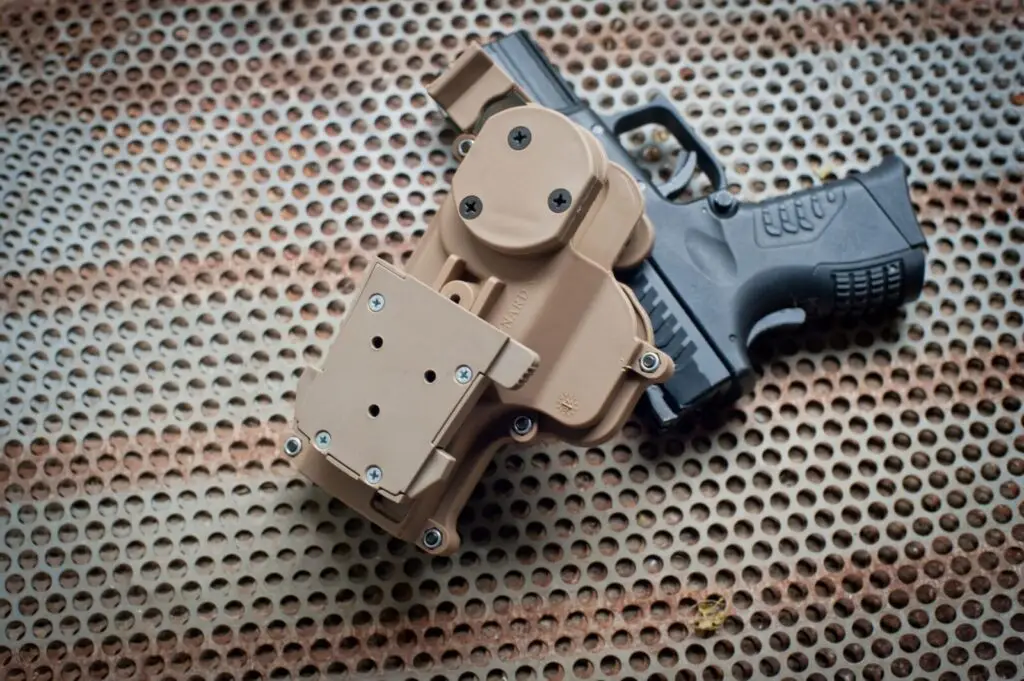
You’ll wait up to 90 days for a decision, which is a good time to sort out your carry setup. A quality holster matters more than almost any other piece of gear, because it keeps the trigger covered and the gun where you expect it to be. Start with our comparison of leather vs. Kydex holsters for city carry, then see which handguns conceal well in an urban wardrobe.
FAQ
Do I still need a “good and substantial reason” to get a Maryland carry permit? No. Maryland stopped applying that standard in July 2022 and repealed it in 2023. If you meet the criteria in § 5-306, MSP must issue the permit.
How long does it take to get a Maryland Wear and Carry Permit? MSP says up to 90 days after you submit a complete application. You can request a hearing if MSP hasn’t acted within 90 days.
Do I need an HQL before I apply? The permit requirements don’t include an HQL. You do need one to buy a handgun, and permit holders can get one through MSP’s streamlined “Permit Exempt” route.
Can non-residents apply? Section 5-306 doesn’t require Maryland residency, and MSP’s FAQ covers fingerprinting for out-of-state applicants. If you live out of state, contact the MSP Licensing Division before you book training.
Does my permit from another state work in Maryland? No. Maryland honors no out-of-state carry permits.
Legal note
This is general legal education, not legal advice. Maryland’s carry laws are the subject of active litigation, and fees, forms, and procedures can change. Verify current requirements with the Maryland State Police before applying, and consult a Maryland attorney about your specific situation.
Sources
- Maryland State Police: Wear & Carry Permit (eligibility, fees, application steps, timelines)
- Maryland State Police: Prohibited Places to Carry a Firearm
- Maryland State Police: Handgun Qualification License
- Md. Code, Public Safety § 5-306, § 5-308, § 5-312
- Md. Code, Criminal Law § 4-111, § 4-203; Transportation § 7-705
- Kipke v. Moore, No. 24-1799 (4th Cir. Jan. 20, 2026)
- Moore v. Kipke, No. 25-1206, U.S. Supreme Court docket (petition dismissed August 13, 2026)
- FindLaw: Supreme Court narrows Hawaii’s private-property gun ban (Wolford v. Lopez)
- Maryland State Police: 2026 firearm legislation notification (PDF)
- WJLA: Hogan orders suspension of “good and substantial reason” (July 2022)
Comments