Concealed Carry for Beginners: Urban Challenges and Solutions
Most guides to concealed carry for beginners are written for somewhere with one set of rules and a lot of parking. City carry is a different problem, and the DC-Maryland-Virginia area is close to the hardest version of it in the country: three jurisdictions with incompatible rules, a transit system that crosses all three, and a permit regime that recognizes nothing from outside its own borders. This guide starts from Maryland and works outward, because that is where the rules bite hardest.
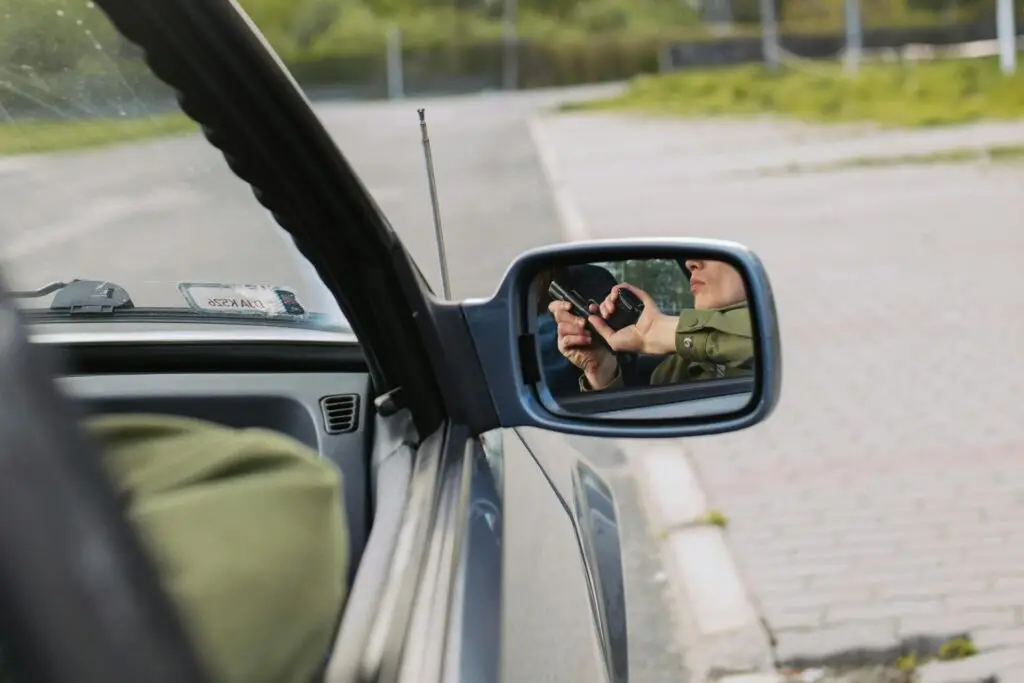
Step one for beginners: the concealed carry permit, and why the DMV complicates it
Maryland is a shall-issue state. The old “good and substantial reason” standard did not survive the Supreme Court’s 2022 decision in New York State Rifle & Pistol Association v. Bruen, and the Maryland State Police no longer apply it. Shall-issue is not the same as easy, though. As of 2026 a Wear and Carry Permit requires a 16-hour state-approved course with live fire, Livescan fingerprints, a background check, and a $125 application fee, with the Licensing Division notifying you of a decision within 90 days of a complete application.
A first permit runs two years plus the months until your birth month. Renewals run three years and are lighter: an 8-hour course, a $75 fee, and no new fingerprints, as long as you renew before the permit lapses. Let it expire and you are a new applicant again, full 16 hours and prints included.
One more Maryland-specific point that surprises people arriving from other states: Maryland permit holders may not open carry. The permit authorizes concealed carry, and carrying openly is not an available option.
Maryland recognizes no other state’s carry permit, from anywhere, under any circumstances. There is no reciprocity agreement to qualify for, because state law does not authorize one. If you are carrying in Maryland, you need a Maryland permit.
That rule was tested and it held. In Gardner v. Maryland, a Virginia permit holder driving through Montgomery County was forced off the road, displayed her handgun to stop the other driver advancing on her, and was convicted under Md. Criminal Law § 4-203 for carrying without a Maryland permit. The Supreme Court declined to hear her appeal on April 20, 2026, leaving the conviction and the no-reciprocity rule intact. Our reciprocity guide covers the case and the DC and Virginia sides in detail.
Step two: learn the map of places you cannot carry
The permit is the beginning, not the end. Maryland’s Gun Safety Act of 2023 designated a long list of locations as off-limits even to permit holders, including state parks and forests, museums, healthcare facilities, stadiums, racetracks, amusement parks, casinos, and government buildings. The Fourth Circuit upheld nearly all of it in Kipke v. Moore (No. 24-1799, decided January 20, 2026), striking down only the so-called “vampire rule” that had barred carry on private property open to the public unless the owner affirmatively permitted it. A cert petition was filed in May 2026, so the list may yet shift.
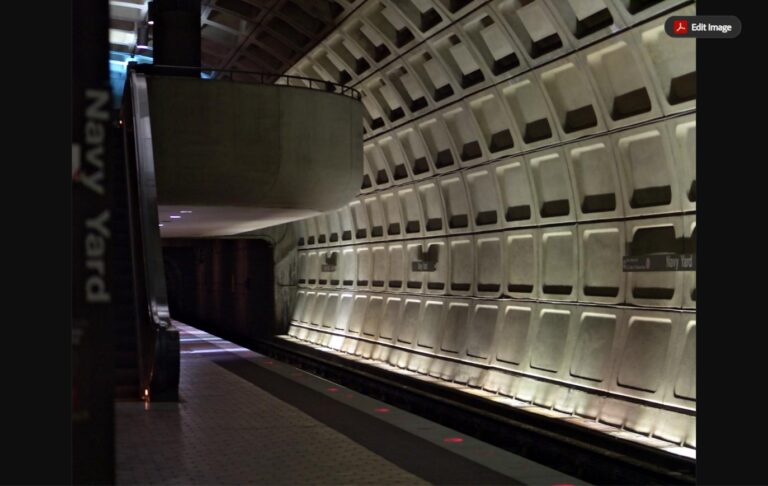
Two more restrictions matter specifically for city routines. Firearms are prohibited aboard any vehicle or inside any building under Maryland Transit Administration control under Md. Transportation § 7-705(b)(6), which covers MTA buses, Light Rail, Metro Subway, and MARC. And under Md. Criminal Law § 4-208, a person may not have a firearm within 1,000 feet of a demonstration in a public place once an officer has advised them a demonstration is occurring and ordered them to leave until they dispose of the firearm. Note the limits of that section: it reaches demonstrations, meaning expressive conduct such as picketing, marching, or speechmaking, and it expressly excludes casual use of a place by visitors or tourists. A street festival is not a demonstration, and the restriction is not automatic.
Step three: plan around the strictest jurisdiction you will touch
The single most useful habit for DMV carry is route thinking. A Metro trip, a drive into the District for dinner, a weekend that crosses the river twice: each of these can move you between a state that requires its own permit, a federal district that recognizes none, and a state whose recognition rules are being rewritten with milestones in December 2026 and July 2027.
Plan around the strictest point on the route rather than the most permissive. One stop in Maryland or DC without the right local permit undoes whatever protection you had at the start of the trip. Where a trip is a straight drive through, federal law at 18 U.S.C. § 926A protects interstate transport of an unloaded, cased firearm that is inaccessible from the driver’s compartment, provided you may lawfully possess it at both origin and destination. That is a transport rule, not a carry rule, and it does nothing for a handgun on your person.
Step four: what concealed carry beginners overlook beyond the law
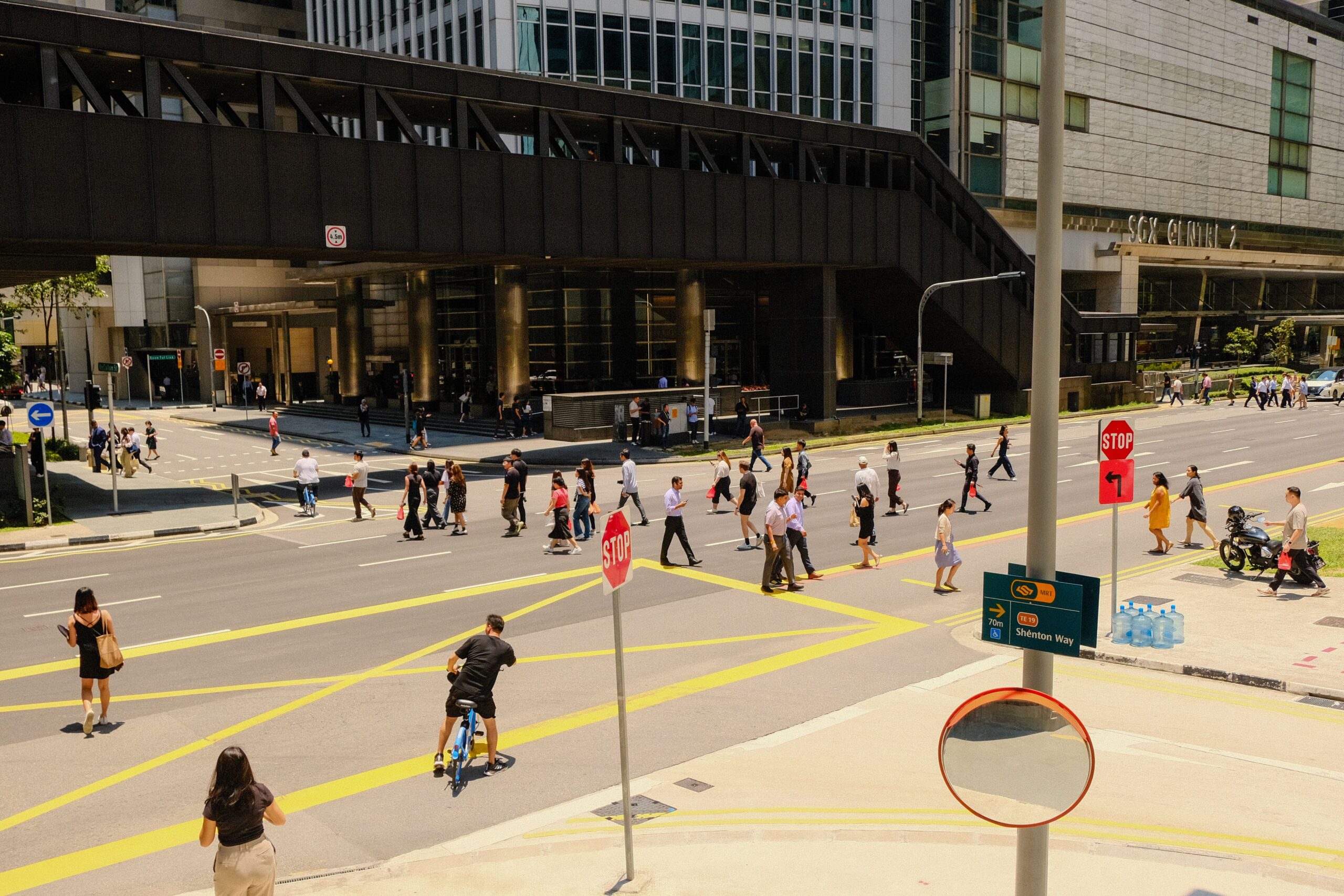
Dense environments change the practical problem as well as the legal one. Crowded trains and elevators mean contact with strangers that a holster in a less congested setting never has to account for. Seated carry in a car or at a desk is a different geometry than standing. Office dress codes, building security screening, and the simple fact of being in public for most of the day all push toward gear that stays concealed under lighter clothing and stays secure when you are pressed against people.
Avoidance and de-escalation deserve more attention than they usually get in guides on concealed carry for beginners, and in a city they are the overwhelmingly likely tools. Distance, exits, and leaving early resolve nearly everything a carrier will actually encounter. The firearm is the last option, not the plan.
Legal note
This is general legal education, not legal advice. Maryland’s restricted-location list is under active litigation and Virginia’s recognition rules change in 2027, so verify before you rely on any of it. Primary sources: the Maryland State Police Wear and Carry Permit page, Md. Criminal Law § 4-208, Maryland Shall Issue’s permit overview, and handgunlaw.us’s Maryland summary, which lists prohibited locations with statutory citations. Consult an attorney for your specific situation.