Revolver vs. Semi-Auto for Concealed Carry (Plus Striker vs. Hammer-Fired)
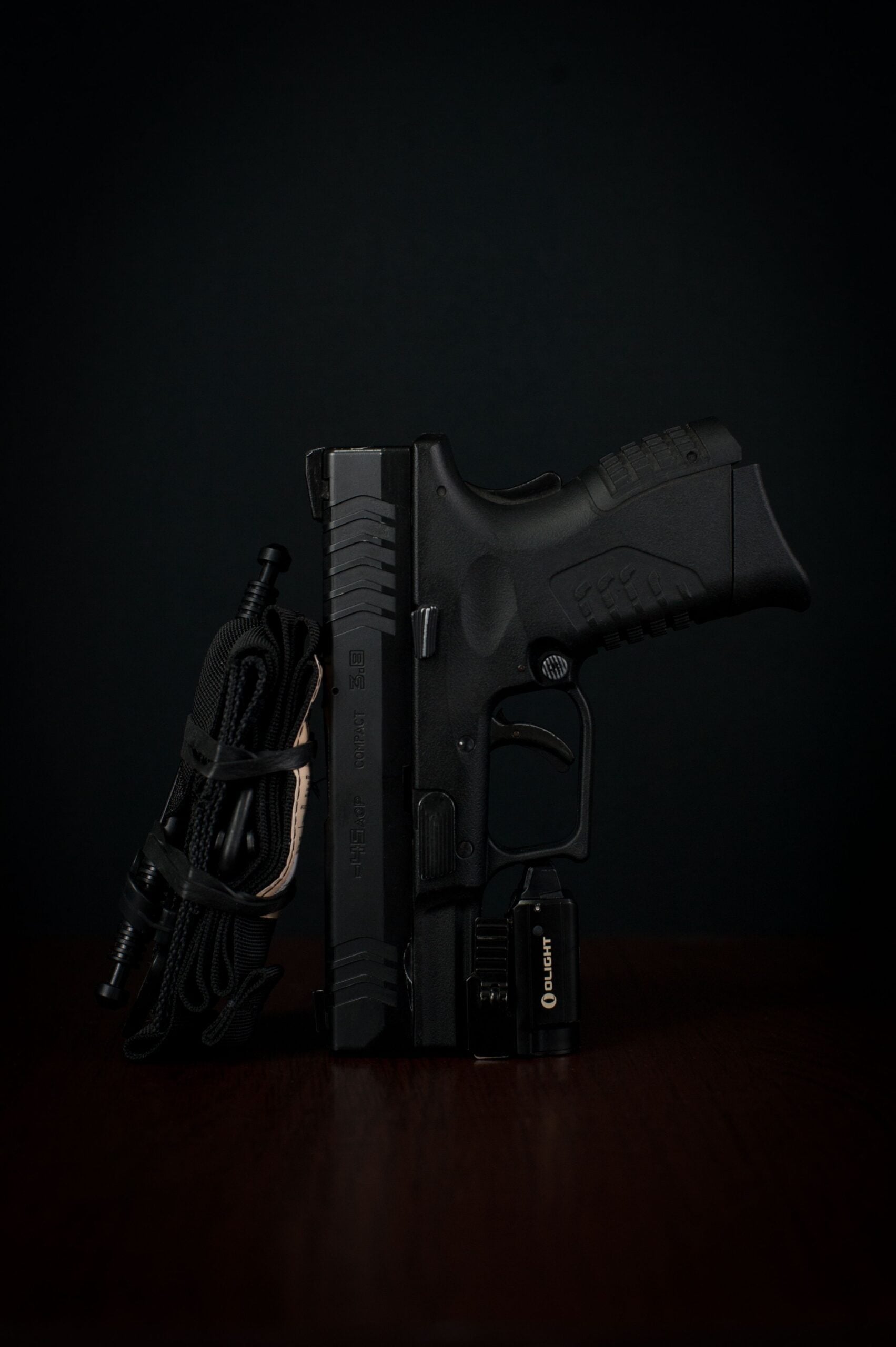
Imagine this scenario: You’re walking to your car late at night when you notice a suspicious figure approaching quickly from behind. Your heart races as you reach for your concealed carry weapon. In this critical moment, your choice of firearm could make all the difference. Will your weapon draw smoothly without snagging? Will it fire reliably when you need it most? Will you be able to handle it effectively under stress? Those questions sit at the heart of the revolver vs. semi-auto debate.
These questions highlight why choosing the right concealed carry weapon is one of the most important decisions a responsible gun owner can make. Whether you’re new to concealed carry or a seasoned veteran looking to refine your setup, understanding the key differences between revolvers and semi-automatic pistols—as well as striker-fired versus hammer-fired mechanisms—is essential for making an informed choice that could one day save your life.
In this comprehensive guide, we’ll explore the strengths and weaknesses of each option, focusing specifically on comfort, reliability, and safety—the three pillars of effective concealed carry. We’ll also examine specific models that excel in each category, helping you narrow down your options based on your unique needs and preferences.
Understanding Concealed Carry Fundamentals
Before diving into specific firearm types, it’s important to understand what concealed carry entails and what factors should influence your decision. Concealed carry refers to the practice of carrying a hidden firearm on your person in public. This practice requires not only the proper permits and training but also careful consideration of your carry weapon.
When selecting a concealed carry firearm, several key factors should guide your decision:
Reliability is paramount—your defensive weapon must function flawlessly every time you need it. A single malfunction in a life-threatening situation could have devastating consequences.
Comfort determines whether you’ll actually carry your weapon consistently. An uncomfortable gun often becomes the one left at home, rendering it useless when needed.
Safety features help prevent accidental discharges while ensuring the weapon is ready when required. Different safety mechanisms suit different users and carry methods.
Capacity refers to how many rounds your weapon can hold. While higher capacity provides more defensive options, it often comes with trade-offs in size and concealability.
Ease of use becomes critical under stress. Complex operating procedures can be difficult to execute when adrenaline is pumping and fine motor skills are compromised.
With these fundamentals in mind, let’s examine how revolvers and semi-automatic pistols compare for concealed carry purposes.
Revolvers for Concealed Carry
How Revolvers Work
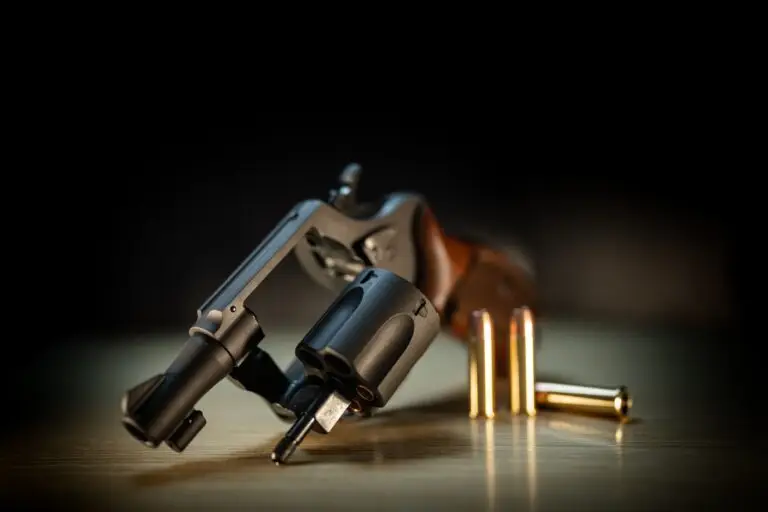
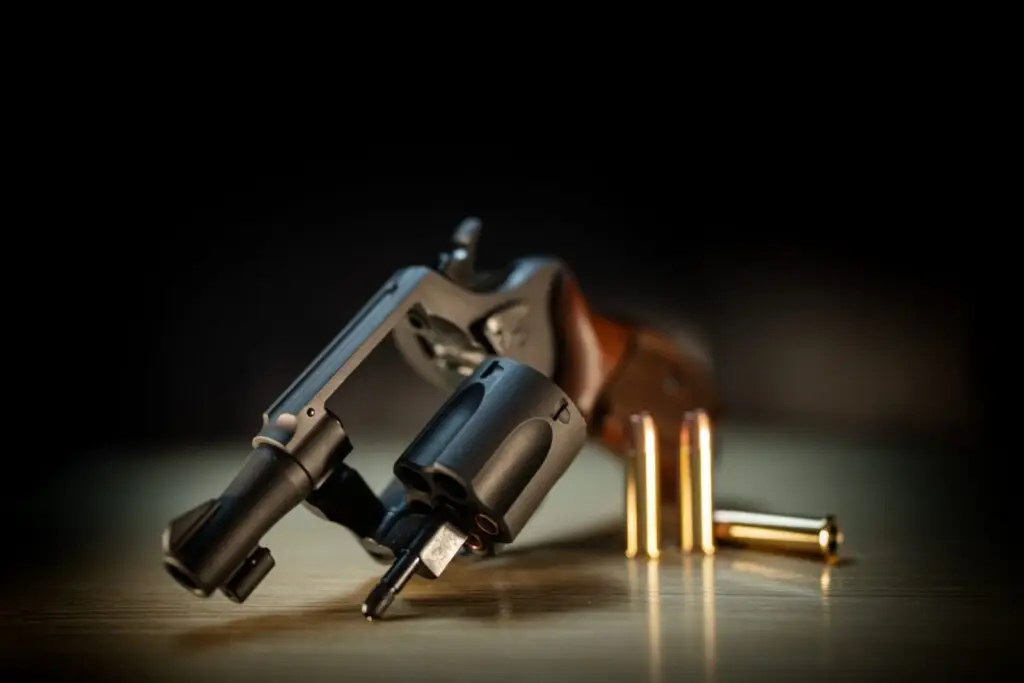
Revolvers operate using a rotating cylinder that houses multiple rounds, typically five or six. When the trigger is pulled, the cylinder rotates to align a fresh cartridge with the barrel and firing pin. This mechanical simplicity is one of the revolver’s greatest strengths.
Revolvers can be either single-action, requiring the hammer to be manually cocked before each shot, or double-action, where pulling the trigger both cocks and releases the hammer. Most modern concealed carry revolvers are double-action or double-action only designs.
Pros of Revolvers for Concealed Carry
Exceptional Reliability: Revolvers are renowned for their mechanical simplicity and reliability. With fewer moving parts than semi-automatics, there’s less that can go wrong. A revolver doesn’t rely on the energy of the previous shot to chamber the next round, making it inherently more reliable with a wider variety of ammunition.
As noted by experts at The Firearm Blog, “Revolvers are incredibly simple to point and fire. People like being able to shoot for the first time without having to worry about racking the slide like they would with a semi-auto.”
Simplicity of Operation: For new shooters especially, revolvers offer an intuitive point and-shoot operation. There’s no need to worry about safeties, slide manipulation, or whether a round is chambered. Simply draw and pull the trigger.
No Magazine Issues: Revolvers don’t use detachable magazines, eliminating concerns about magazine springs weakening over time or magazines being improperly seated.
Consistent Trigger Pull: In double-action revolvers, every trigger pull feels the same, promoting consistency in training and real-world use.
Cons of Revolvers for Concealed Carry
Limited Capacity: Most concealed carry revolvers hold only five or six rounds, compared to the seven to fifteen rounds typical in comparable semi-automatics. In a defensive situation requiring multiple shots or involving multiple threats, this limitation could be significant.
Slower Reload Time: Reloading a revolver is generally slower than swapping magazines in a semi-automatic, even with speed loaders or moon clips. This can be a critical disadvantage if you need to reload during a defensive encounter.
Width Challenges: The cylinder of a revolver is typically wider than the slide of a similar sized semi-automatic, creating a bulge that can be more difficult to conceal effectively.
Heavier Trigger Pull: Double-action revolvers typically have a trigger pull of 10-12 pounds, which can affect accuracy for some shooters. As USCCA notes, “The trigger-pull weight is around 10 pounds and is generally smooth. That long trigger pull functions as the primary safety mechanism.”
Top Revolver Models for Concealed Carry
Smith & Wesson 642/442 Airweight: These lightweight, aluminum-framed, hammerless J-frame revolvers have been concealed carry staples for decades. Weighing just 15 ounces unloaded and featuring a 1.875-inch barrel, they’re easy to conceal while still offering reliable .38 Special performance.
Ruger LCR: The Lightweight Compact Revolver features a polymer lower frame to reduce weight to just 13.5 ounces. Available in multiple calibers including .38 Special, .357 Magnum, and even 9mm, the LCR offers a smooth trigger pull and excellent concealability.
Kimber K6s: This premium six-shot .357 Magnum revolver features a stainless steel construction, 2-inch barrel, and one of the best trigger pulls in its class. Despite holding an extra round compared to most snub-nose revolvers, it maintains a slim profile for concealment.
Charter Arms Undercover: This affordable five-shot .38 Special revolver weighs 16 ounces and features a 2-inch barrel, making it a budget-friendly option for concealed carry.
Taurus 856: Offering six rounds of .38 Special in a compact package, the 856 provides good value with features like a comfortable grip and crisp trigger pull.
Semi-Automatic Pistols for Concealed Carry
How Semi-Autos Work
Semi-automatic pistols use the energy from a fired round to eject the spent casing and chamber a fresh round from the magazine. This self-loading mechanism allows for faster follow-up shots and typically higher capacity than revolvers.
The only “automatic” aspect of a semi-auto is this loading process—each shot still requires a separate trigger pull. As USCCA explains, “The only process that is ‘automatic’ in operating a semi-auto is the feeding and cocking actions.”
Pros of Semi-Autos for Concealed Carry
Higher Capacity: Even compact semi-autos typically hold more rounds than revolvers of similar size. Modern micro-compact 9mm pistols can hold 10-13 rounds while remaining easily concealable.
The Firearm Blog notes, “With the debut of micro double stacks like the SIG P365 and Springfield Armory Hellcat, you can have double the capacity of a traditional revolver without adding a ton of weight.”
Faster Reloads: Swapping magazines is generally faster than reloading a revolver, especially under stress. A spare magazine can be carried more comfortably than speed loaders or loose ammunition.
Slimmer Profile: Without a cylinder, semi-autos typically present a flatter profile against the body, reducing printing through clothing and enhancing concealability.
Lighter Trigger Pulls: Many semi-autos offer lighter, crisper trigger pulls than double action revolvers, potentially improving accuracy for some shooters.
Cons of Semi-Autos for Concealed Carry
More Complex Operation: Semi-autos require more training to operate effectively. Users must learn proper slide manipulation, clearing malfunctions, and managing safeties where applicable.
As noted by The Firearm Blog, “Probably the biggest drawback for semi-auto handguns would be the process of loading it and cycling the first round into the gun for a new shooter. It seems like a simple task, but for many new shooters, it can be challenging.”
Potential Feeding/Ejection Issues: Semi-autos can experience malfunctions like failure to feed or eject if not properly maintained, held with insufficient grip strength, or used with incompatible ammunition.
Grip Sensitivity: Many semi-autos require a firm, proper grip to function reliably. Under stress, improper grip can induce malfunctions.
Close-Quarters Limitations: In extreme close-quarters situations, a semi-auto’s slide can be pushed out of battery if pressed against an assailant, preventing the gun from firing. The Firearm Blog points out, “If you’re too close to the attacker the slide can be pushed out of battery not letting the gun fire.”
Top Similar-Capacity Semi-Auto Models for Concealed Carry
Sig Sauer P365: This game-changing micro-compact 9mm offers 10+1 capacity in its flush magazine while remaining remarkably concealable. Extended magazines provide 12 or 15 rounds. Its excellent ergonomics and shootability have made it one of the most popular concealed carry pistols on the market.
Smith & Wesson Shield Plus: Building on the success of the original Shield, the Plus model increases capacity to 10+1 or 13+1 while maintaining the same footprint. Its improved trigger and ergonomics make it a strong competitor in the micro-compact space.
Glock 43X: Combining the slide length of the Glock 43 with a slightly longer grip, the 43X offers 10+1 capacity in a slim, reliable package. Aftermarket magazines can increase capacity further.
Springfield Hellcat: Offering 11+1 or 13+1 capacity in a micro-compact package, the Hellcat features excellent sights and an optional optics-ready slide for mounting red dot sights.
Ruger Max-9: This affordable option in the micro-compact category offers 10+1 or 12+1 capacity, an optics-ready slide, and Ruger’s reputation for reliability.
Revolver vs. Semi-Auto: Comfort
Comfort is a critical factor in concealed carry, as an uncomfortable gun is likely to be left at home. Several aspects contribute to carry comfort:
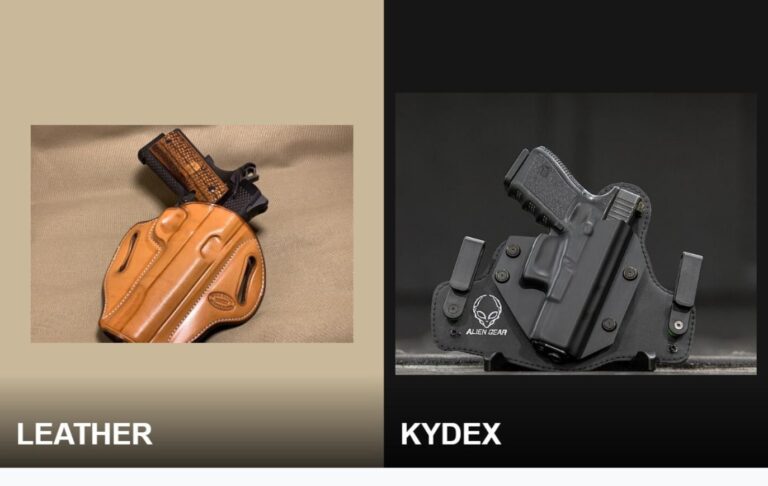
Holster Selection: Both revolvers and semi-autos benefit from quality holsters that distribute weight evenly and protect the trigger. Revolvers with exposed hammers may require holsters that prevent snagging, while semi-autos need holsters that fully cover the trigger guard.
Weight Distribution: Revolvers tend to be more cylinder-heavy, which can cause them to sag in some holster configurations. Semi-autos typically distribute weight more evenly, potentially improving all-day comfort.
Grip Ergonomics: Modern semi-autos often feature customizable grip options with interchangeable backstraps or grip modules. Revolvers typically offer fewer customization options but can be fitted with aftermarket grips.
Printing Concerns: The cylinder bulge of revolvers can create a distinctive print through clothing that experienced observers might recognize. Semi-autos present a flatter profile that’s often easier to conceal, especially in appendix or kidney carry positions.
All-Day Carry Comfort: Lightweight revolvers like the S&W Airweight or Ruger LCR can be very comfortable for all-day carry due to their minimal weight. Similarly, polymer framed semi-autos like the Glock 43X or Sig P365 offer excellent comfort-to-capacity ratios.
Revolver vs. Semi-Auto: Reliability
When your life depends on your firearm, reliability becomes the most important factor. Here’s how revolvers and semi-autos compare:
Malfunction Types and Rates: Revolvers can experience timing issues, cylinder binding, or primer/ammunition failures. However, these malfunctions are relatively rare. Semi autos can experience failures to feed, extract, or eject, as well as magazine-related issues. While modern quality semi-autos are very reliable, they generally have more potential failure points than revolvers.
Performance in Adverse Conditions: Revolvers traditionally excel in contact shots (pressed directly against a target) since they don’t have slides that can be pushed out of battery. However, as The Firearm Blog notes, “If you throw something like an AirWeight into mud or sand, it will have serious issues firing and can sometimes throw the timing off making it incredibly dangerous.”
Semi-autos from quality manufacturers like Glock are renowned for their ability to function reliably even when exposed to dirt, mud, or minimal lubrication.
Maintenance Requirements: Revolvers generally require less frequent maintenance than semi-autos but can be more complicated to detail strip when necessary. Semi autos typically need more regular cleaning and lubrication but are often easier to field strip for basic maintenance.
Longevity Considerations: Quality revolvers and semi-autos can both last for tens of thousands of rounds with proper maintenance. Revolvers may require timing adjustments after extensive use, while semi-autos might need spring replacements.
Revolver vs. Semi-Auto: Safety
Safety features vary widely between and within revolver and semi-auto designs:
Manual Safety Options: Many semi-autos offer manual thumb safeties, while revolvers typically rely on heavy double-action trigger pulls as their primary safety mechanism. Some users prefer the simplicity of no manual safety, while others value the extra layer of protection.
Drop Safety Features: Modern firearms of both types incorporate internal safety mechanisms to prevent discharge if dropped. These include transfer bars in revolvers and firing pin blocks in semi-autos.
Trigger Safety Mechanisms: Many modern striker-fired semi-autos incorporate trigger safety levers that must be depressed for the trigger to function. Revolvers typically don’t have additional trigger safeties beyond their heavier pull weight.
Holstering Safety Considerations: Revolvers with shrouded or internal hammers eliminate the risk of the hammer catching on clothing during the draw. Semi-autos require careful attention during holstering to ensure nothing enters the trigger guard.
Training Requirements: Safe carry with any firearm requires proper training, but semi autos generally demand more technical training due to their more complex operation and various safety systems.
Striker-Fired vs. Hammer-Fired Mechanisms
Beyond the revolver versus semi-auto debate lies another important distinction: striker fired versus hammer-fired mechanisms. This distinction primarily applies to semi automatic pistols, though the principles help understand all handgun firing systems.
How Striker-Fired Mechanisms Work
Striker-fired pistols use an internal striker—essentially a spring-loaded firing pin— instead of a hammer to ignite the primer. When the slide is racked, the striker is partially cocked. Pulling the trigger completes the cocking process and then releases the striker to fire the gun.
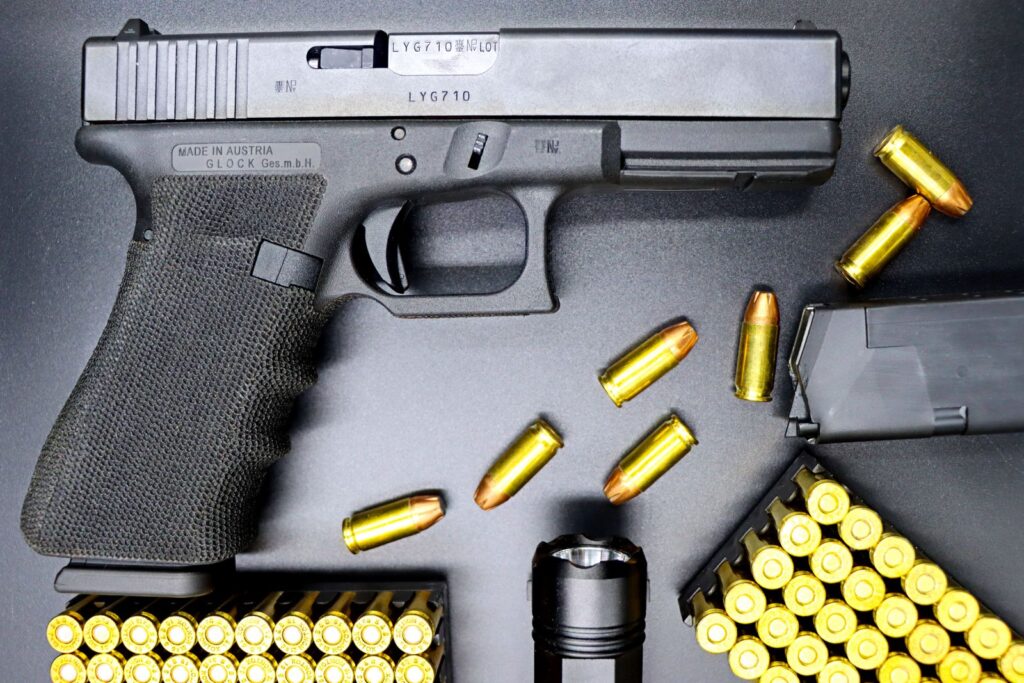
Popular striker-fired pistols include virtually the entire Glock lineup, the Smith & Wesson M&P series, the Springfield XD series, and the Sig Sauer P320 family.
How Hammer-Fired Mechanisms Work
Hammer-fired pistols use an external or internal hammer that strikes a firing pin when released. The hammer can be manually cocked (single-action), cocked by the trigger pull (double-action), or cocked by the slide cycling (single-action after the first shot in DA/SA pistols).
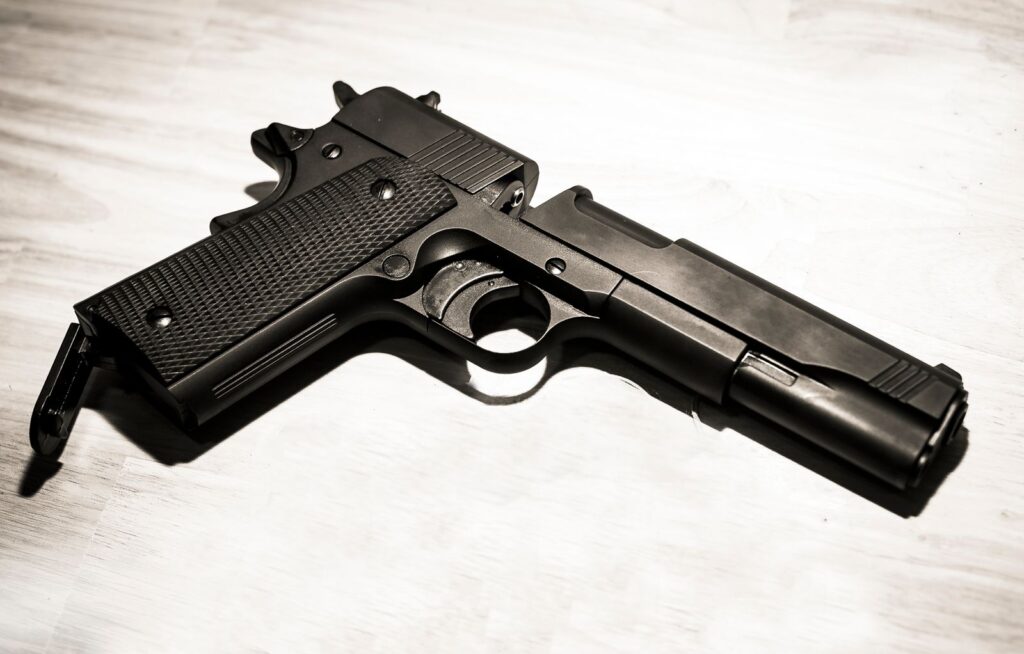
Popular hammer-fired pistols include the 1911 platform, CZ 75 variants, Beretta 92 series, and various SIG Sauer P-series pistols.
Pros of Striker-Fired for Concealed Carry
Consistent Trigger Pull: Striker-fired pistols typically offer the same trigger pull for every shot, promoting consistency in training and use. As Tactical Gear explains, “Striker fired pistols are usually double-action or DAO, depending largely on how you want to define ‘an action that the user must perform.'”
Fewer External Snag Points: Without an external hammer, striker-fired pistols present a smoother profile that’s less likely to catch on clothing during the draw.
Typically Lighter Weight: Striker mechanisms are often simpler and lighter than hammer systems, contributing to reduced overall weight in many striker-fired pistols.
Simpler Operation: Most striker-fired pistols have fewer external controls to manipulate, making them potentially easier to operate under stress.
Pros of Hammer-Fired for Concealed Carry
Visual/Tactile Confirmation: An external hammer provides immediate visual and tactile confirmation of the firearm’s status. As Tactical Gear notes, “When an external hammer is cocked, there’s little doubt that the weapon is ready to fire.”
Often Better Triggers: Many hammer-fired pistols, particularly single-action models like the 1911, offer exceptionally crisp, light trigger pulls. “Hammer-fired handguns tend to have triggers that are lighter, smoother, and more crisp than their striker-fired counterparts,” according to Tactical Gear.
Second-Strike Capability: If a primer fails to ignite, many hammer-fired pistols allow for an immediate second attempt without racking the slide. Primary Arms explains, “You can pull the hammer back to strike it again, and it will likely go off after another strike or two.”
Manual Decocker Options: Many DA/SA hammer-fired pistols feature decockers that safely lower the hammer without requiring the trigger to be pulled, adding an extra safety layer for some users.
Making Your Decision: Revolver vs. Semi-Auto
With all these factors in mind, how do you choose the right concealed carry weapon for your needs? Consider these personal factors:
Hand Size and Strength: Smaller hands may find compact semi-autos or small-frame revolvers more manageable. Those with limited hand strength might struggle with heavy double-action revolver triggers or stiff semi-auto slides.
Prior Experience: Your familiarity with different firearm types should influence your choice. Building on existing skills often makes more sense than starting from scratch with an unfamiliar platform.
Carry Method and Clothing: Your typical attire and preferred carry position will impact which firearms you can effectively conceal. Revolvers may work better in pocket carry, while slim semi-autos excel in inside-the-waistband positions.
Training Commitment: Be honest about how much time you’ll dedicate to training. If you’ll practice infrequently, the simplicity of a revolver might be advantageous. If you’ll train regularly, you might benefit from a semi-auto’s higher capacity and performance potential.
Recommendations for Beginners
For those new to concealed carry, these options offer a balance of simplicity, reliability, and concealability:
Revolver Option: The Ruger LCR in .38 Special provides a lightweight, simple platform with a manageable recoil profile and no external hammer to snag.
Semi-Auto Option: The Glock 43X offers reliable operation, good capacity, and a consistent trigger in a package that’s easy to conceal and operate.
Recommendations for Experienced Carriers
Those with more training and experience might consider these options for their advanced features:
Revolver Option: The Kimber K6s DASA (Double-Action/Single-Action) provides six rounds of .357 Magnum in a refined package with an excellent trigger in both modes.
Semi-Auto Option: The Sig Sauer P365XL offers 12+1 capacity, an excellent trigger, and optics compatibility in a still-concealable package.
Conclusion
The revolver vs. semi-auto debate—and the striker-fired vs. hammer-fired one—has no universal answer. Each platform offers distinct advantages and disadvantages that must be weighed against your specific needs, preferences, and circumstances.
Revolvers excel in simplicity and reliability but sacrifice capacity and reload speed. Semi autos offer higher capacity and faster reloads but require more training to operate effectively under stress. Striker-fired mechanisms provide consistency and snag-free draws, while hammer-fired systems offer visual confirmation and often superior triggers.
Ultimately, the “best” concealed carry weapon is the one that you can shoot accurately, carry comfortably, and operate confidently under stress. This requires not just selecting the right firearm but also investing in quality holsters, regular practice, and professional training.
Remember that your concealed carry weapon is a life-saving tool that deserves careful consideration and ongoing commitment. Whatever you choose, dedicate yourself to becoming proficient with it through regular practice and training. Your life—and potentially the lives of others—may one day depend on it