Understanding ‘No Carry Zones’ in Your City: Maps and Guidelines
State law gives you the baseline “no-carry” list: schools, courthouses, hospitals. Cities then layer their own sensitive-place restrictions on top. That second layer is what trips up urban carriers on an ordinary day. Think a walk through a city park, a stop at a permit office, or a festival that pops up on a lot you carry through every week.
The three recurring categories
Across most jurisdictions, city-level gun-free zones fall into three buckets:
- Parks and recreation areas. These are often restricted by state law, sometimes by local ordinance. Occasionally, carry is also off-limits within a set radius while an event is happening.
- Government buildings, broader than most people assume (more below).
- Public gatherings and permitted events, frequently not a blanket ban, but a temporary, signage-triggered restriction tied to a specific event.
Why “government building” is broader than you think
It’s tempting to read “government building” as “courthouse or city hall” and move on. In practice, the category is wider, and the Maryland/DC examples below show exactly how wide.
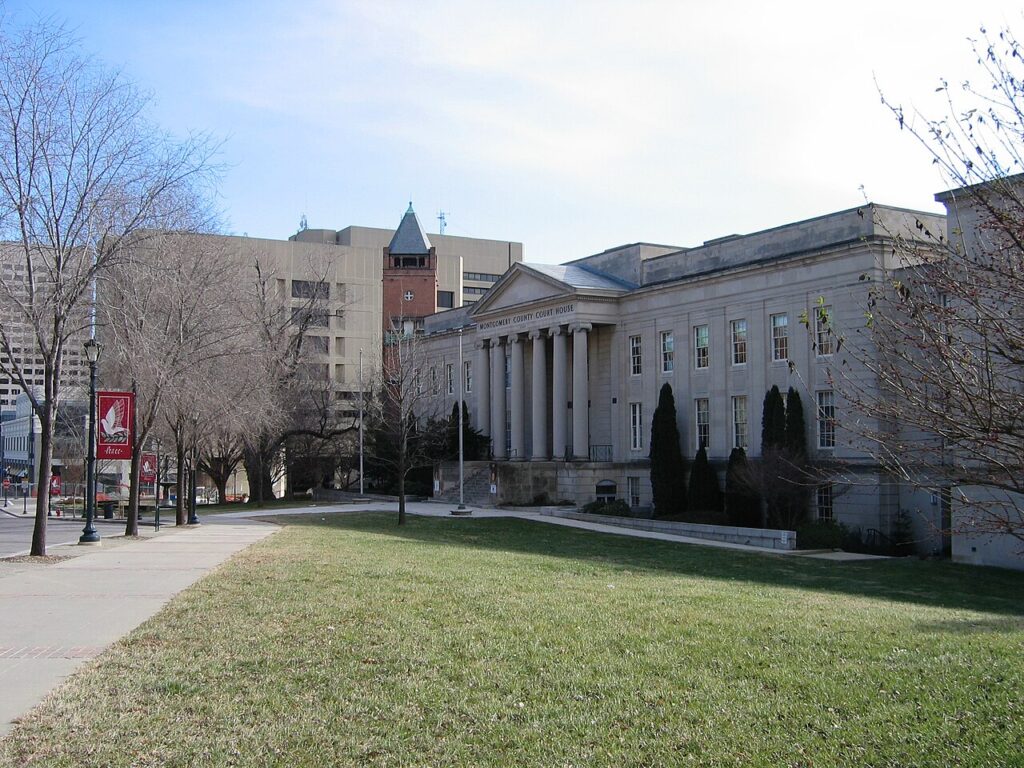
Maryland: State law prohibits carrying in any building, or part of a building, owned or leased by state or local government. The Gun Safety Act of 2023 added more places: state parks and forests, museums, healthcare facilities, stadiums, racetracks, amusement parks, and casinos.
Where Maryland’s court fight stands
In Kipke v. Moore (No. 24-1799, decided January 20, 2026), the Fourth Circuit Court of Appeals upheld most of that list. That includes the state parks, alcohol-location, and 1,000-foot demonstration restrictions. The court struck down only the so-called “vampire rule,” which required private property owners to opt in before carry was allowed.
The ruling is on hold while the challengers ask the Supreme Court to review it. Until that’s resolved, the Maryland State Police say three restrictions can’t be enforced:
- Places that sell alcohol for on-site consumption
- Private property without the owner’s consent
- Within 1,000 feet of a public demonstration
Maryland dropped its own appeal on the private-property rule in August 2026. That came after the Supreme Court struck down Hawaii’s version in Wolford v. Lopez. The challengers’ petition on the upheld restrictions is still pending, so this list could shift again.
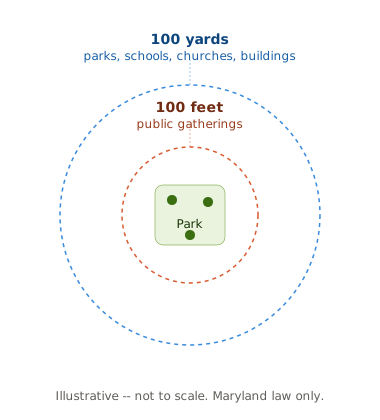
On top of all that, local governments can regulate carry within 100 yards of a park, church, school, public building, or other place of public assembly.
Washington, DC’s list
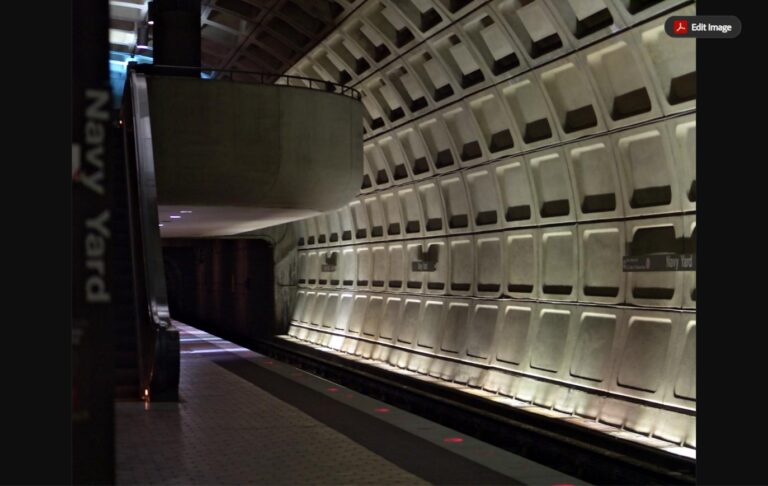
Washington, DC: The Metropolitan Police Department publishes DC’s prohibited-places list, and it’s explicit and broad. It covers any building or office space occupied by DC government or its agencies. It also covers hospitals and mental health offices, polling places, and public transportation. The list even reaches public memorials on the National Mall and along the Tidal Basin. Add the area around the White House and the U.S. Naval Observatory grounds. Full breakdown in our Washington, DC carry guide.
“Government building” isn’t limited to the obvious cases. A DMV office, public library, permit office, or community center can all count. It depends on how your state or city defines the term.
Special event carve-outs (the confusing part)
Here’s the nuance that catches people off guard. A place where carry is normally legal can become off-limits for a while because of an event.
Maryland is narrower than it’s often described, and the details matter. The statute is Md. Criminal Law § 4-208, and it covers a demonstration, not any public event.
The definition reaches picketing, speechmaking, marching, holding a vigil, or similar conduct expressing views or grievances. It expressly excludes the casual use of a place by visitors or tourists. So a festival, a concert, or a weekend soccer game isn’t a demonstration under this section.
Two more things people get wrong. The radius is 1,000 feet, not a hundred. And the ban isn’t automatic. It applies only after a law enforcement officer tells you a demonstration is happening. The officer also has to order you to leave the area until you dispose of the firearm. A violation is a misdemeanor carrying up to a year and a $1,000 fine.
One important caveat. While Kipke v. Moore is pending at the Supreme Court, the Maryland State Police list this restriction as unenforceable. Check their prohibited places page for the latest status.
How DC handles events
DC handles this differently. Carry is restricted at a public gathering or special event when the organizer gives advance notice and posts no-firearms signs. Without that posted notice, the event restriction doesn’t automatically apply the same way.
The practical rule either way: a location’s carry status can change temporarily and without much warning. See a festival setup, barricades, or a stage in a park or public space? Treat that as your signal to check for posted restrictions before you assume your usual routine still applies.
City-by-city snapshot
Maryland: State-owned buildings, state parks and forests, museums, healthcare facilities, stadiums, and casinos are restricted by statute. That’s the Gun Safety Act of 2023, upheld by the Fourth Circuit in 2026. Local governments can extend restrictions within 100 yards of parks, churches, schools, and public buildings. Demonstrations carry a 1,000-foot restriction under § 4-208. It only applies once an officer tells you about the demonstration and orders you to leave. It isn’t automatic, and it doesn’t cover festivals or sporting events. MSP also lists it as unenforceable while Kipke v. Moore is pending. For the full set of permit-holder rules, see our Maryland Wear and Carry Permit guide.
Washington, DC: DC Code puts these off-limits: DC government buildings and agency offices, hospitals and mental health facilities, polling places, and the National Mall memorials. MPD’s official prohibited-places list confirms it. Public gatherings are restricted only when organizers post advance signage.
FAQ
Does “government building” include a public library? Often, yes. It depends on how your state defines “state or local government building,” and Maryland’s language is broad enough to plausibly cover it. When in doubt, treat public libraries and municipal offices as restricted until you’ve confirmed otherwise for your city.
If a park allows carry, does that change during a permitted event? Potentially, but be careful about assuming it. In DC, the restriction turns on the organizer giving advance notice and posting signs. Maryland’s § 4-208 is narrower than most summaries suggest. It reaches demonstrations rather than ordinary events, and it runs 1,000 feet. It also kicks in only once an officer tells you about it and orders you to leave. MSP lists it as unenforceable for now while Kipke v. Moore is pending. Neither rule flips automatically because a park is busy. Check for posted notice, and follow any lawful order you’re given.
Are these restrictions the same everywhere? Not always. It depends on whether you’re in a preemption state (where state law overrides local gun rules). In most states, this list comes from state law, and cities add only narrow local layers. In non-preemption states, cities have much more room to set their own rules. Our guide to concealed carry laws by city explains how preemption works and where local rules still apply.
Legal note
This is general legal education, not legal advice. Prohibited-place lists change as legislatures and courts act, so verify current law directly with your state police or city government before relying on anything here. Primary sources for this guide: Md. Criminal Law § 4-208, statutory text (see also the annotated version); handgunlaw.us’s Maryland summary, which lists prohibited locations with citations; the Maryland State Police prohibited places page (current enforcement status); and the Maryland State Police Wear and Carry Permit page. Kipke v. Moore is Fourth Circuit No. 24-1799, decided January 20, 2026.