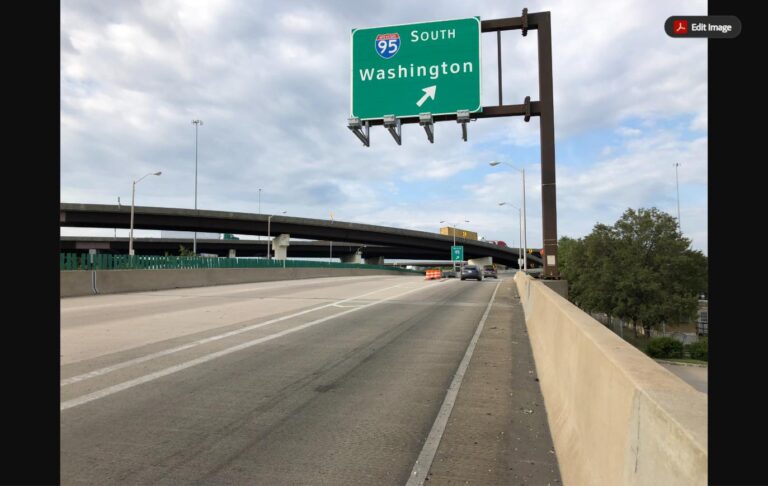
Driving Through Strict States With a Gun: How FOPA Safe Passage Works

If you carry in the city, sooner or later the map gets in your way. Headed from Virginia to a range trip in Pennsylvania? You’re crossing Maryland, which doesn’t honor anybody’s out-of-state permit. Driving home to the DMV from up north? Hello, New Jersey and New York.
That’s where the Firearm Owners Protection Act comes in. Its “safe passage” rule lets you drive a gun through places where you couldn’t otherwise have it. But it’s a narrow rule with very specific conditions, and people get burned by assuming it covers more than it does.
Here’s how it actually works, in plain English.
FOPA safe passage at a glance
- You have to be legal where your trip starts and where it ends.
- The gun has to be unloaded.
- Gun and ammo can’t be reachable from the passenger compartment. The trunk is the cleanest answer.
- No trunk? Use a locked container. The glove box and center console don’t count.
- It’s a travel rule, not a carry permit. Load it or keep it on you and the protection is gone.
What is FOPA safe passage?
The Firearm Owners Protection Act is a 1986 federal law. One piece of it, codified at 18 U.S.C. § 926A, deals with transporting firearms across state lines. It starts with a powerful phrase: “Notwithstanding any other provision of any law or any rule or regulation of a State or any political subdivision thereof.” In other words, when you meet its conditions, a state or city can’t charge you just for passing through with your gun.
The key words are “when you meet its conditions.” All of them. Every time.
The conditions you have to meet
- You’re allowed to have a gun at all. The law only protects people who aren’t otherwise prohibited under federal firearms law.
- You’re legal at both ends. You have to be able to lawfully possess and carry the gun where the trip starts and where it ends. FOPA covers the middle, not the destination.
- The gun is unloaded.
- Nothing is within reach. Neither the gun nor any ammo can be readily or directly accessible from the passenger compartment.
- No trunk means a locked container. If your vehicle doesn’t have a compartment separate from the driver’s area, the gun or ammo has to be in a locked container other than the glove compartment or console.
| Where the gun rides | Fits FOPA? |
|---|---|
| Unloaded, in a locked case in the trunk, ammo stored separately | Yes. This is the setup the law is written around. |
| Unloaded, in a locked container in an SUV or hatchback cargo area (no separate trunk) | Yes, as long as it’s a locked container and not the glove box or console. |
| Locked glove box or locked center console | No. The statute specifically rules them out. |
| On your hip, under the seat, or in a door pocket | No. Readily accessible from the passenger compartment. |
| In a back-seat car safe, in a car that has a trunk | Risky. The back seat is the passenger compartment. If you have a trunk, use it for the trip. |
One more habit we’d add, even though the statute doesn’t spell it out: keep your magazines empty and your ammo in a separate box. It’s simple, and it leaves nothing to argue about.
Where travelers get burned
Stops that turn into stays
The statute doesn’t say how long you can stop or what kind of stop is okay. Quick gas and bathroom breaks with the gun locked in the trunk are the normal part of a road trip. Overnight stays in a strict state are where it gets dicey.
The case people point to is Gregory Revell, a Utah man who was flying to Pennsylvania in 2005 with his gun checked in his luggage. He missed a connection in Newark, ended up with his bags (gun included), stayed overnight at a hotel, and was arrested by Port Authority police when he went back to check in. He spent 10 days in jail before the charges were dropped. When he sued, the Third Circuit ruled against him in 2010, saying the law requires the traveler to be separated from the gun and ammo during travel and doesn’t address an interrupted trip like his.
The lesson: plan your route so you’re not sleeping in a state where you can’t legally have the gun.
Assuming it works like a permit
FOPA doesn’t let you carry. It doesn’t let you load the gun at a rest stop, keep it in the console “just in case,” or walk into a restaurant with it. The second the gun is loaded or within reach, you’re relying on that state’s laws, not federal protection.
Forgetting about the destination
Safe passage covers going through, not arriving. If you can’t legally have the gun where you’re headed, FOPA doesn’t help. Driving into DC without a DC license, for example, isn’t a pass-through.
Expecting the officer to know the law
FOPA is a defense you raise, not a force field. Revell’s charges were dropped, but only after he’d already been arrested and jailed. Following the rules to the letter is your best protection, and staying calm and polite at a stop is your second.
A road trip, step by step
Say you’re a Virginia permit holder headed to a range trip in Pennsylvania, and Maryland is in the way. Here’s how we’d handle it:
- Check both ends first. Confirm you can legally have the gun at home and at the range, and what Pennsylvania requires once you arrive.
- Prep before you cross the line. Unload at home or before you leave Virginia. Not on the shoulder of I-95.
- Lock it up in the trunk. Gun in a locked case, empty magazines, ammo in a separate box.
- Drive straight through. Short stops for gas and food, gun stays put. No overnight in Maryland.
- Follow the local rules on arrival. Once you’re at your destination, that state’s laws take over.
Want the details for the DMV specifically? Our DC-Maryland-Virginia reciprocity guide and state-by-state reciprocity guide cover who honors what.
Gear that makes it easy
You don’t need much. A locked, hard-sided case that fits in your trunk does the job, and one with a steel cable can be looped around something solid so it isn’t easy to grab.
The SnapSafe 75200 Lockbox (Large) is a simple option: a 16-gauge steel housing, a key lock, and a 4-foot steel security cable. Everlasting Safes lists it as meeting TSA airline guidelines for firearms storage, so it pulls double duty if you fly. You can browse more in their car gun safe collection.
Already have a back-seat car safe? Great for daily errands. For a FOPA trip in a car with a trunk, move the gun to the trunk. Our car gun safe guide compares the main types.
FOPA safe passage FAQ
Can I stop for gas or food?
The law doesn’t define acceptable stops. Brief stops with the gun locked in the trunk are a normal part of travel. Long stays, and especially overnight stays, are where travelers have run into trouble.
Does FOPA let me carry in a state that doesn’t honor my permit?
No. It protects transporting an unloaded, inaccessible gun through that state. It doesn’t let you carry there.
Is a locked glove box good enough for FOPA?
No. The statute specifically says the locked container can’t be the glove compartment or console.
What if I get pulled over during the trip?
Stay calm, keep your hands visible, and answer honestly. If the officer asks about weapons, tell them the gun is unloaded and locked in the trunk. Our guide to getting pulled over while carrying covers the rest.
Find what works for you
Map the route, check both ends, and lock the gun in the trunk before you cross the first line. Grab a lockable case from Everlasting Safes, then look up the rules for where you’re headed on our carry laws hub.
Every trip is different, and so is every carrier’s setup. Build a travel routine that fits yours, keep it boring, and enjoy the drive. For everything else about guns and cars, read our complete guide to vehicle concealed carry.
Legal note: This is general legal education, not legal advice. Talk to an attorney about your specific route and situation.
Sources
- 18 U.S.C. § 926A (interstate transportation of firearms), Cornell Legal Information Institute
- The Daily Caller on Revell v. Port Authority of New York and New Jersey (January 2011)
- Product details from the Everlasting Safes product page (October 2026)
Get the next guide in your inbox
New city carry-law updates and gear guides when we publish them. No spam, and you can unsubscribe anytime.
You're on the list. Thanks for signing up!