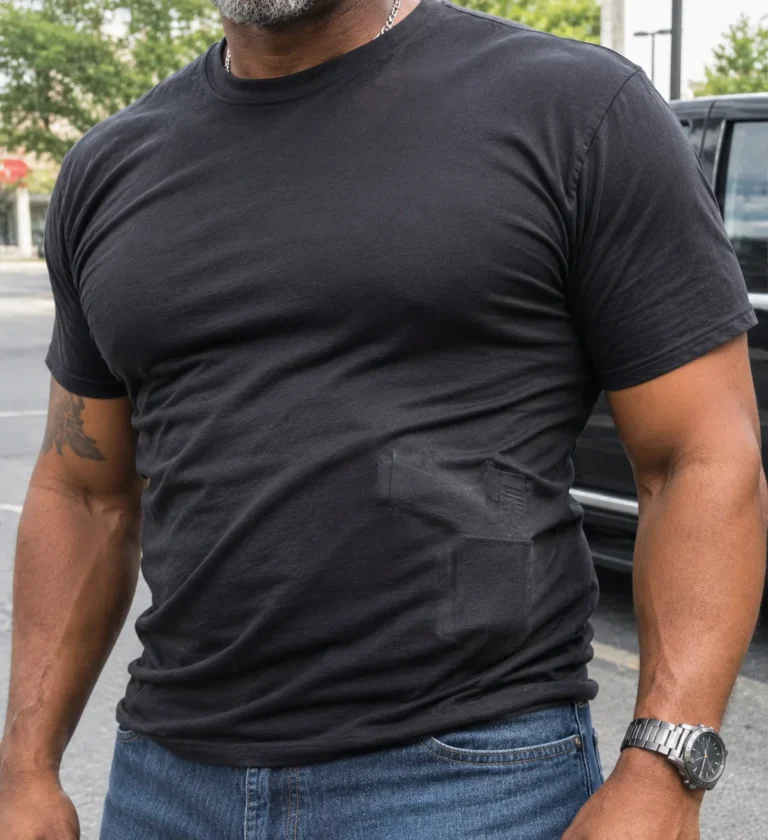
How to Carry Concealed in Winter (Without Losing Your Draw)

Winter is the best and worst season to carry in the city. Best, because a coat hides almost anything. That grip that keeps poking through your T-shirt in July? Gone under a puffer. Worst, because the same coat that hides your pistol also sits between your hand and your pistol. If you’ve ever tried to dig your keys out of a zipped jacket with gloves on at a bus stop, you already know how that goes.
So this guide is about getting both: the extra concealment winter hands you, without giving up access to your gun. We’ll break down winter outerwear by type, the carry positions that play nice with layers, gloves, what happens when your coat comes off indoors, and driving in a heavy coat. There’s no single right winter setup, so we’ll lay out the options and you can match them to your body, your wardrobe, and your commute.
The short version
- Keep the gun on your body, in a holster on a real belt or carry waistband, under your coat. The coat hides it; it shouldn’t hold it.
- Pick outerwear you can open fast: open fronts, two-way zippers, snaps, or pass-through pockets.
- Appendix carry is usually the easiest position to reach through a winter coat. Strong-side hip carry works best under open layers.
- Thin gloves beat bulky ones. Your gloved finger has to fit inside the trigger guard, and you need to work every control.
- Plan for the coat coming off. Whatever you wear underneath has to conceal on its own.
- Test everything with an unloaded gun in your real winter clothes before you trust it.
Winter outerwear compared: what hides the gun and what blocks the draw
Here’s every common winter layer at a glance. How well each one works depends on your build, your holster, and how you wear it (open or zipped makes a huge difference), so treat this as a starting point, not a verdict.
| Outerwear | Concealment | Draw access | Usually works best with | Watch out for |
|---|---|---|---|---|
| Open jacket or overshirt (flannel, shacket, bomber) | High | Fast: sweep it back | Strong-side hip or appendix | Short hems riding up when you reach |
| Zipped puffer or parka | Very high | Slow, unless you unzip or use pass-through pockets | Appendix, especially with pass-through pockets | The hem sitting right on top of your grip |
| Long wool coat or trench | Very high | Slow buttoned, workable open | Appendix with the coat open | Bunching when you sit; a coat belt tied over the holster |
| Heavy pullover hoodie | High | Medium: lift the hem high | Appendix | The front pocket catching the grip |
| Puffer or fleece vest | High at the waist | Fast, arms stay free | Strong-side hip or appendix | Cold arms (it’s a vest) |
| Coat pocket carry | High while worn | Fast, hand already in the pocket | Small pistols in a pocket holster | The gun leaves your control when the coat comes off |
Why winter makes carrying easier and harder at the same time
Heavier fabric and more layers do a lot of the concealment work for you. Holster maker Vedder points out that thick winter coats make it easier to hide a bigger pistol without printing (that’s when the outline of the gun shows through your clothes).
The catch is access. PHLster’s winter guide lists the usual problems: the gun is harder to reach, the draw gets slower, your normal carry position may not work with your coat, and cold fingers fumble.
More fabric means more concealment. It also means more stuff in the way.
The good news? It’s mostly a clothing problem, and clothing problems have clothing solutions.
Your coat is a cover garment, not a holster
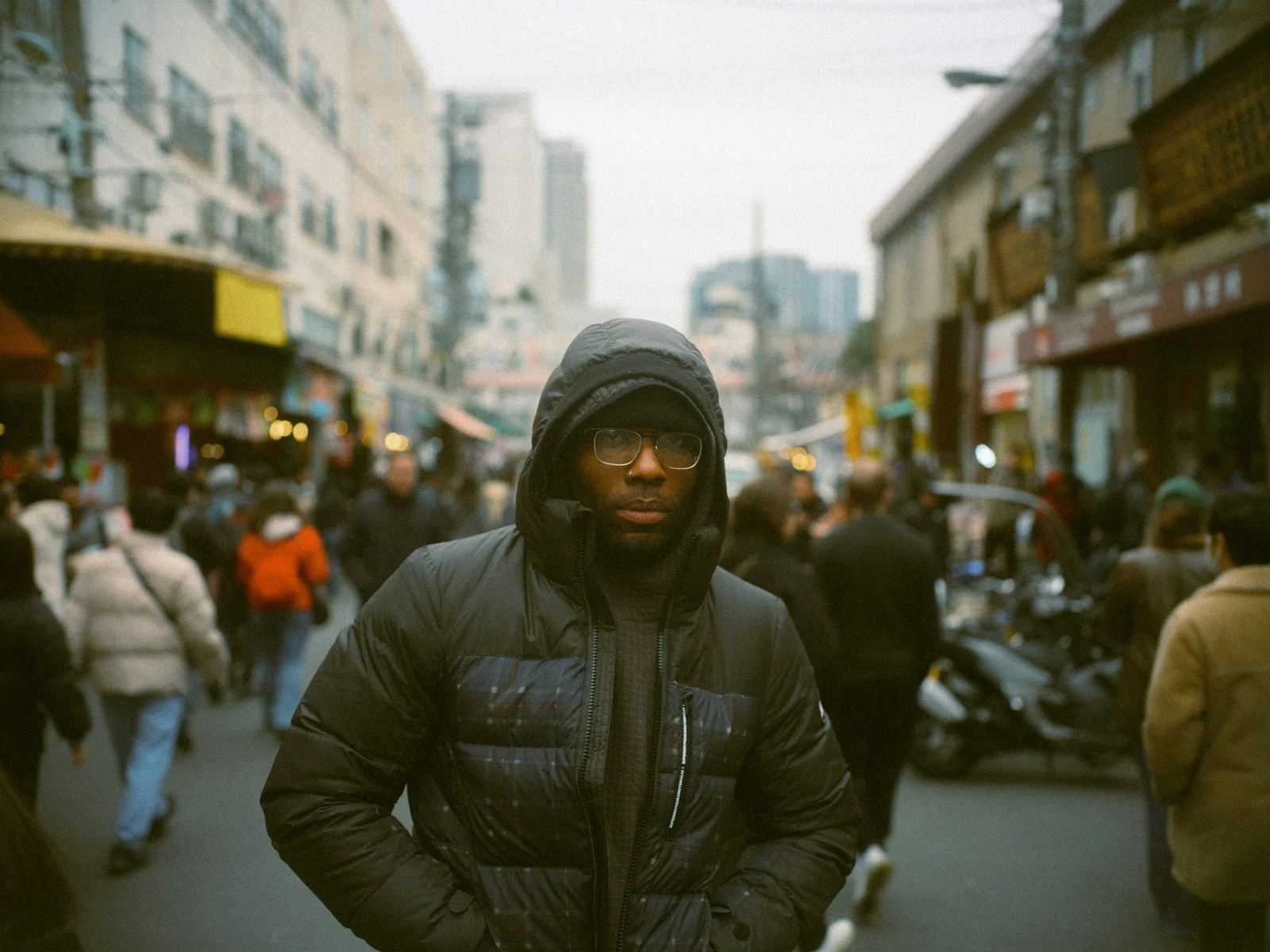
A cover garment is anything you wear over the gun to hide it. In winter, your coat becomes the biggest cover garment you own. That’s all it should be.
For everyday city carry, the safest default is the same in January as it is in June: pistol in a real holster that covers the trigger guard, on a sturdy belt or carry waistband, under your layers. Even brands that build carry jackets say so. Arrowhead’s product pages state that their jackets, vests, and tops aren’t designed to hold a firearm, and that you should keep carrying in a properly fitted IWB (inside the waistband) holster on a supportive belt.
Here’s why that matters in the city: coats come off. You hang them on office hooks, drape them over restaurant chairs, and toss them in the back seat. A gun holstered on your belt goes where you go. A gun in a coat pocket goes wherever the coat goes.
What about coat pocket carry?
It has real fans, and it can work with small pistols. Vedder notes that some people switch to pocket carry in winter because a pocket holster rides comfortably in a coat pocket and keeps the gun easy to reach. If you go that route, set some ground rules:
- Use a pocket holster that covers the trigger guard and keeps the gun sitting the same way every time.
- That pocket carries the gun and nothing else. No keys, no phone, no lip balm.
- The coat stays on you. If it has to come off, the gun comes out of it first and goes somewhere secure and legal for where you are.
- Heavy coats swing. Make sure the pistol isn’t banging against your hip or dragging one side of the coat open.
Winter outerwear, by type
Here’s how each kind of winter layer plays with a concealed pistol, and who it tends to work for.
Open jackets and overshirts: the easiest winter draw
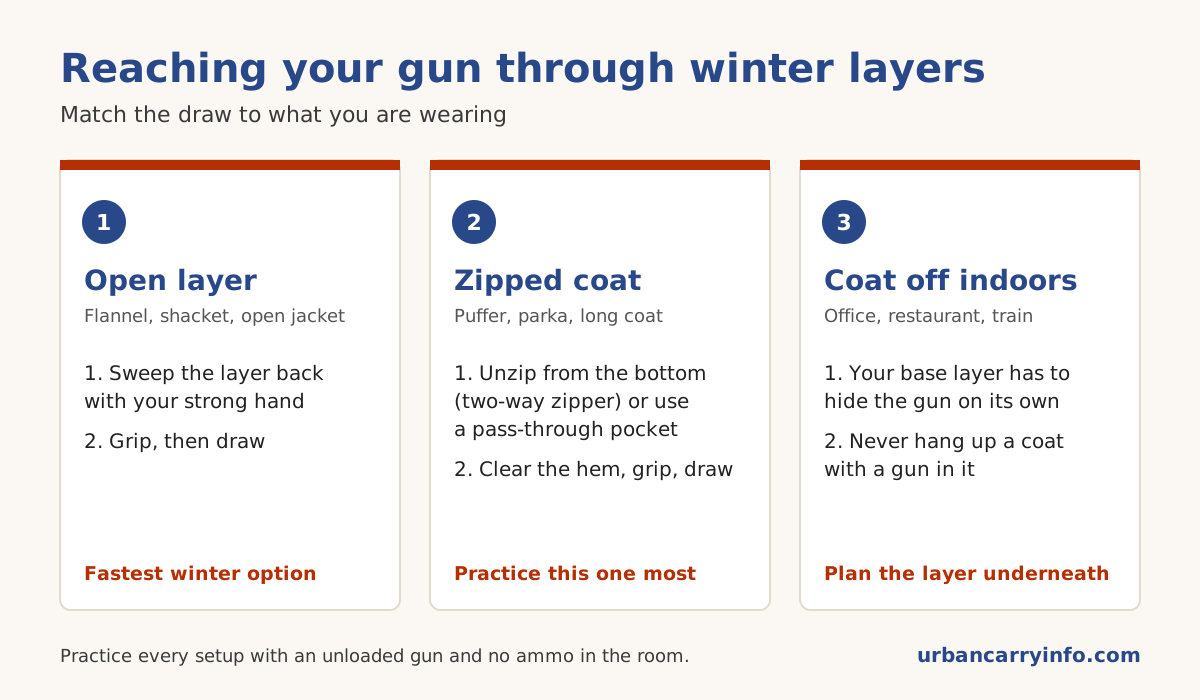
Flannels, shirt jackets (shackets), chore coats, and unzipped bombers are the friendliest winter layers for carry. Nothing is fastened, so your draw is basically your summer draw with a little more fabric to sweep out of the way.
They work with almost any carry position, and they’re especially good for strong-side hip carry, which gets tough under a zipped coat. Pattern helps too. Plaid and textured fabric break up the outline of a grip better than a smooth solid color.
If you want one built for the job, Arrowhead’s Concealment QuickDraw Flannel looks like a regular cotton flannel, but the bottom closes with strong magnets hidden behind two fake buttons, so it breaks open fast when you draw. It’s cut traditional through the chest and shoulders and looser at the waist to drape over a holster. A few buyers mention sizing up for extra room, and it’s on clearance, so sizes may be limited.
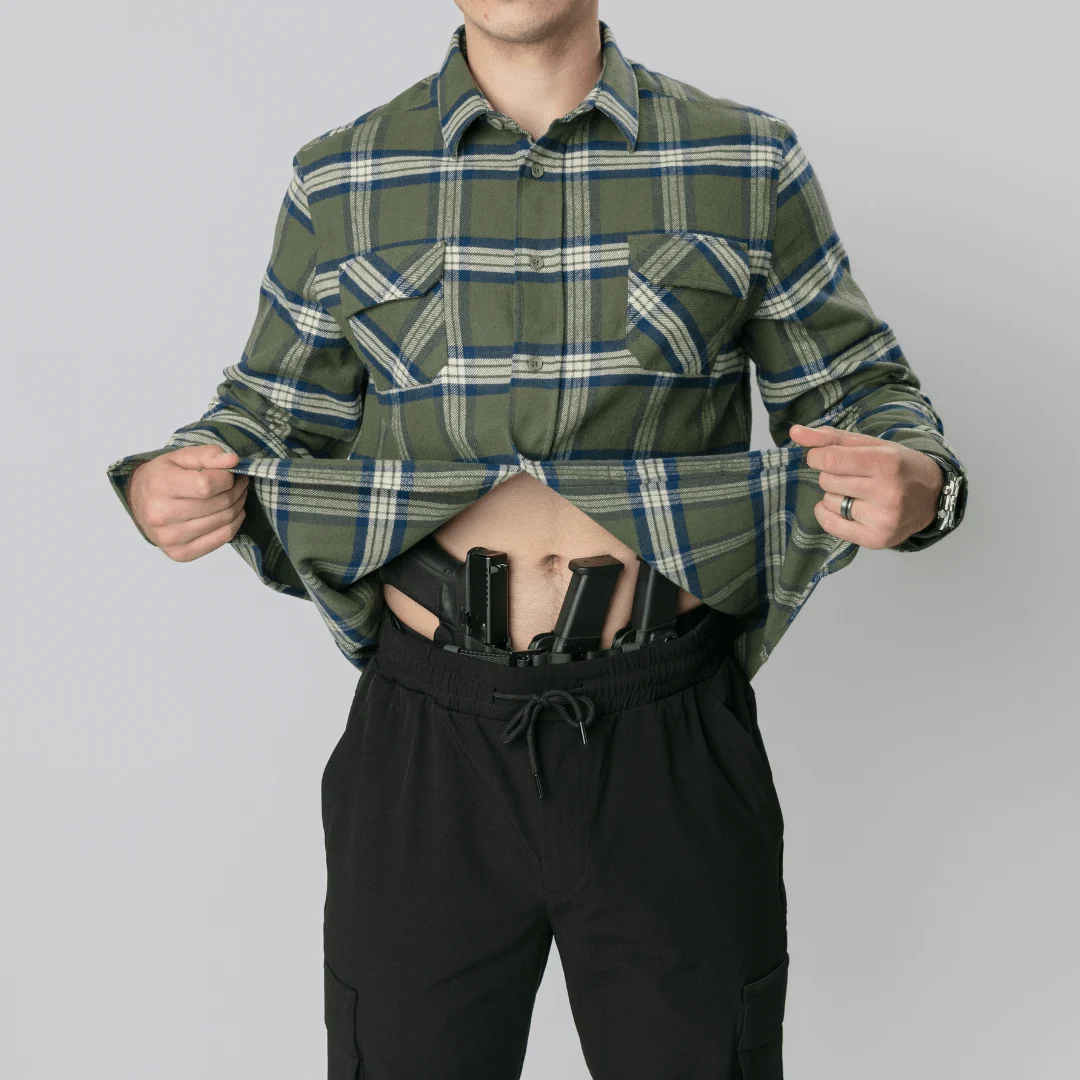
Usually best for: any build, strong-side or appendix carriers, and cool days with a warm base layer underneath.
Puffers and parkas: warm, hidden, and in the way
A zipped puffer hides everything. It also seals your pistol under a layer you have to get past before you can draw. NRA Women puts it plainly: during practice you may find your winter coat can’t be lifted high enough to reach a hip holster, which means unzipping it or switching to a coat designed for carry.
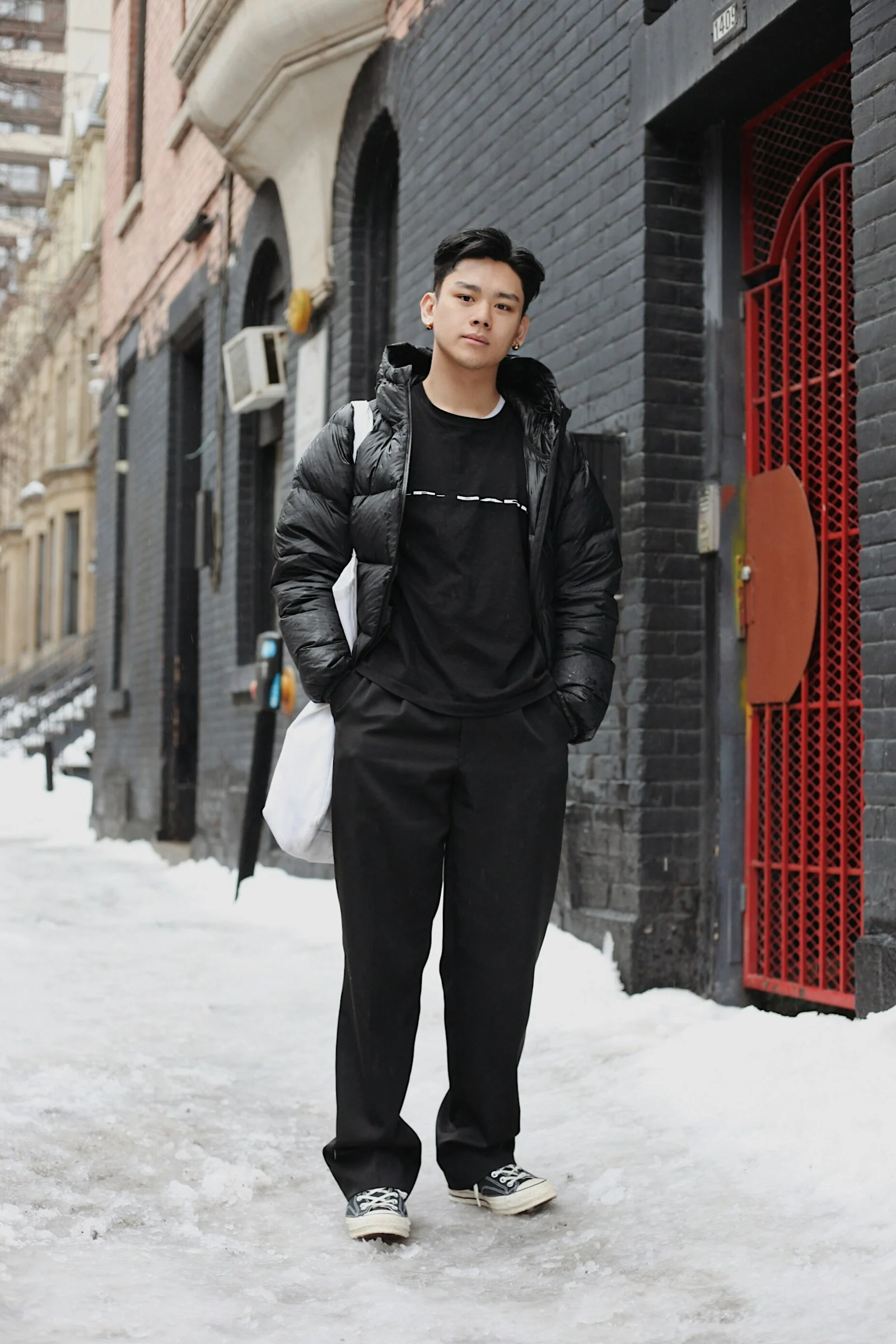
You’ve got three realistic fixes:
- Wear it unzipped when you can. Easiest fix, costs nothing. Less fun when it’s 15 degrees with the wind coming off the harbor.
- Get a two-way zipper. Also called a double zipper, it opens from the bottom while the top stays closed, so you can open the hem over your holster and keep your chest warm. Gun Carrier’s winter guide lists two-way zippers, snap fronts, and side vents as the features to look for.
- Use pass-through pockets. These are zippered hand pockets with an opening on the inside that lines up with your waistband, so your hand can reach a holstered pistol without opening the coat.
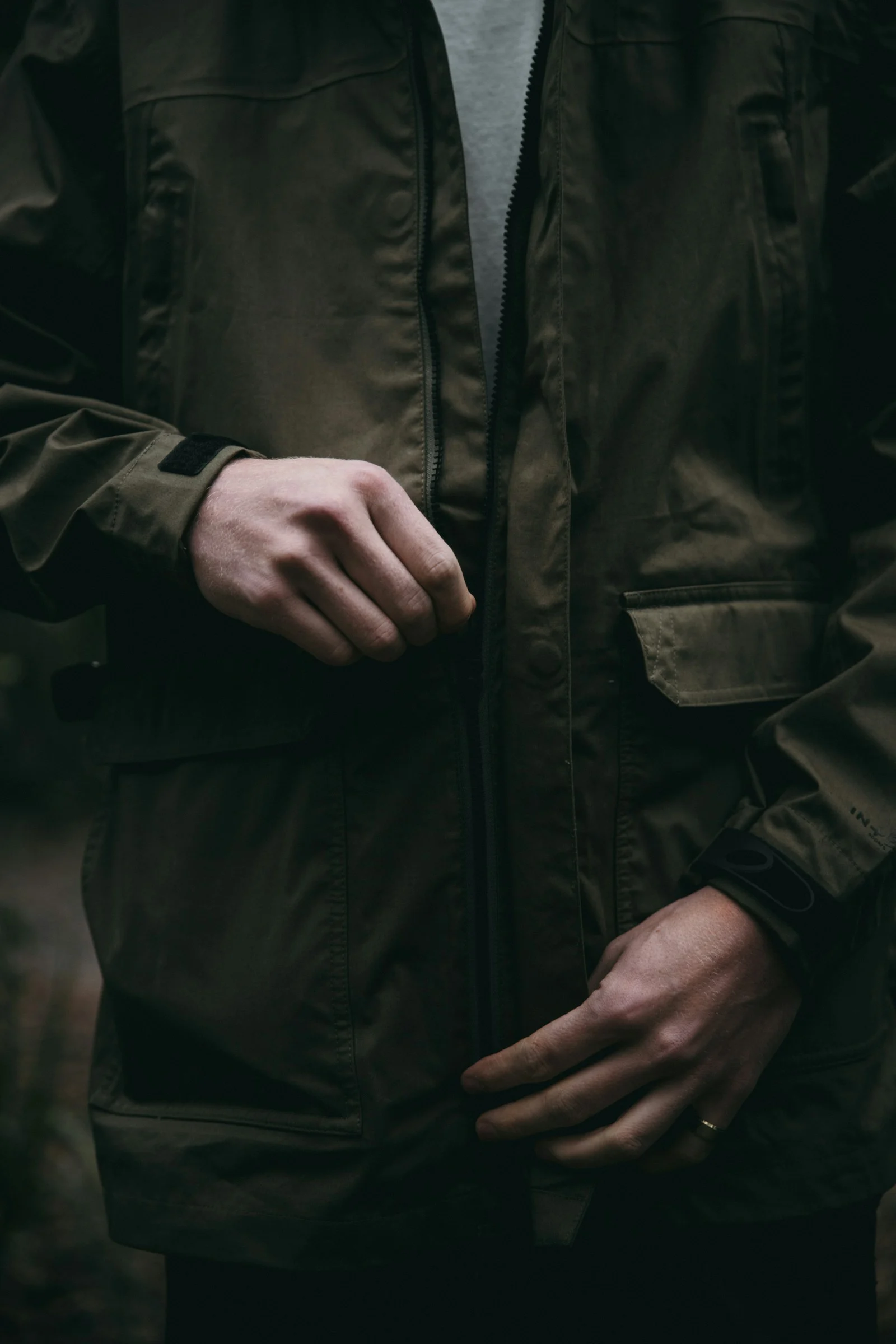
Arrowhead’s Concealment Puffer Jacket is a good example of the pass-through idea in a coat that just looks like a city puffer, with no external logos and no tactical straps. Both front hand pockets have quiet zippers that open into the jacket, giving you access to a gun holstered at your waistband. Arrowhead says the pocket openings are on the small side, so it works best with mid-size pistols like a Glock 19 or smaller. There are also upright pockets in the liner for a spare magazine or a small medical kit.
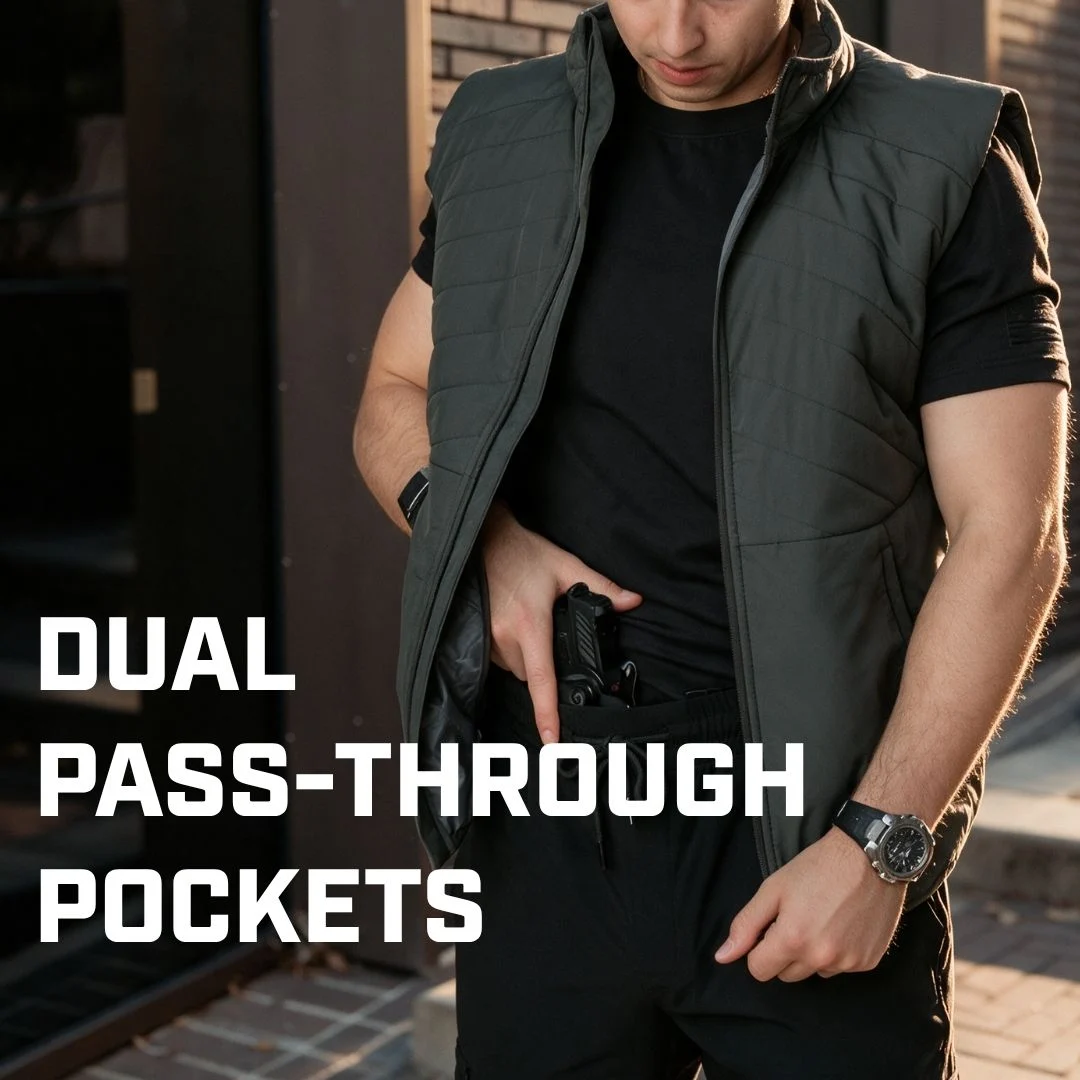
One thing to be clear on: pass-through pockets help you reach a gun that’s already holstered on your belt. They don’t hold the gun. Your holster still does that job.
Usually best for: appendix carriers (pass-through pockets sit right over the front of the waistband) and anyone who walks or waits outside in real cold.
Vests: arms free, core warm
A puffer or fleece vest is underrated for city carry. It covers the waistband, it doesn’t tie up your arms, and you can wear it over a hoodie or flannel when it’s cold or by itself when it’s just chilly. Arrowhead makes a Concealment Puffer Vest with the same pass-through hand pockets as the jacket. It’s cut slim, and several reviews on the product page recommend going up a size if you want more room for concealment.
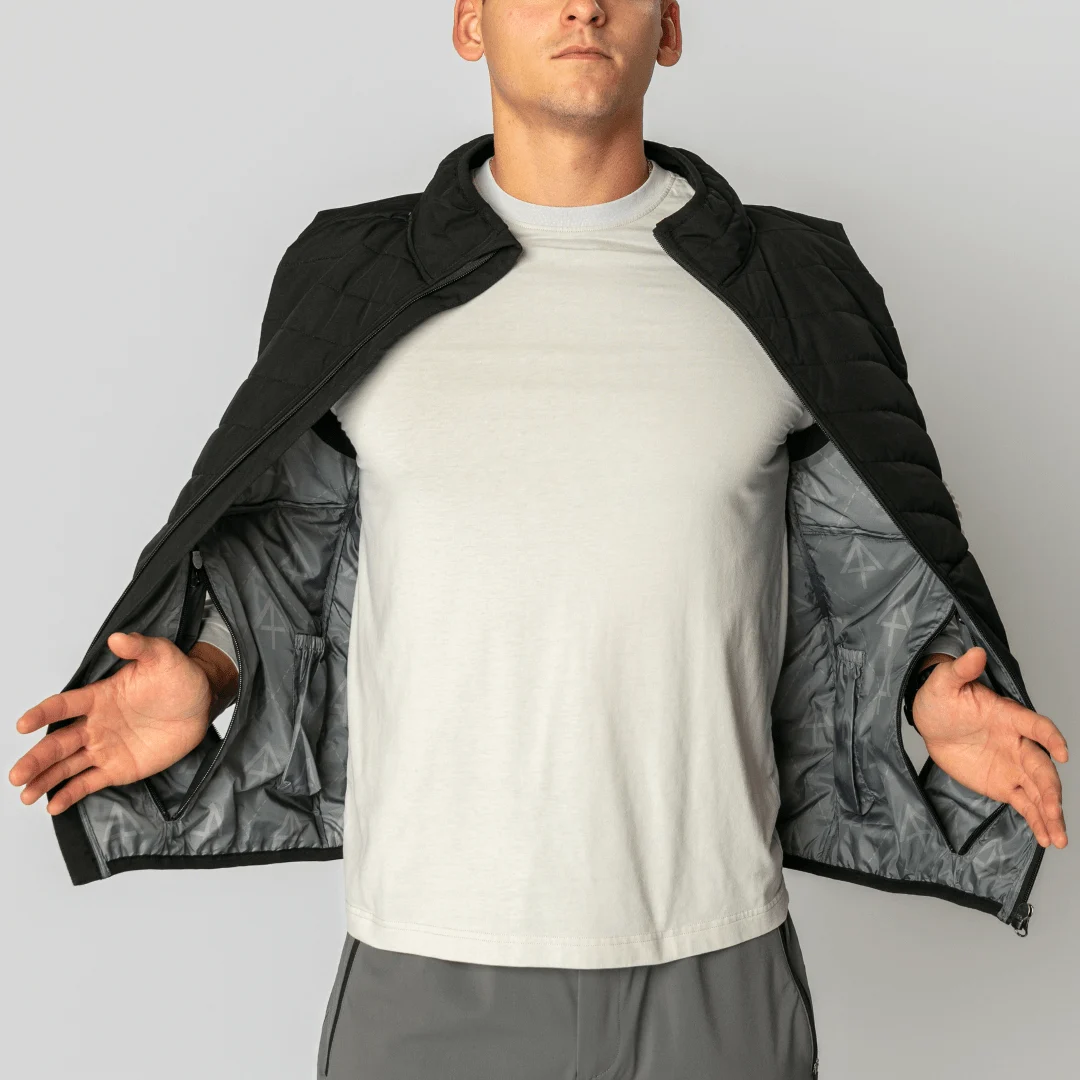
Usually best for: layering on in-between days, drivers who want their arms free, and appendix or strong-side carriers.
Long coats: sharp, warm, and the slowest to clear
Wool overcoats, peacoats, and trench coats look great with work clothes, and they hide a pistol completely. Buttoned up, though, they’re the slowest layer on this list. There’s a lot of heavy fabric to move, and a belted trench can end up tied right over your holster.
If a long coat is your style, wear it open whenever you can, leave the coat belt off (or tie it behind you), and lean toward appendix carry, where an open front gives you a clear path. Strong-side carry under a long coat is doable, but you’ll be sweeping a lot of weight out of the way.
Sitting is the other thing to watch. A long coat bunches up when you sit on a bus or a bench, and that bunch tends to land right on the grip.
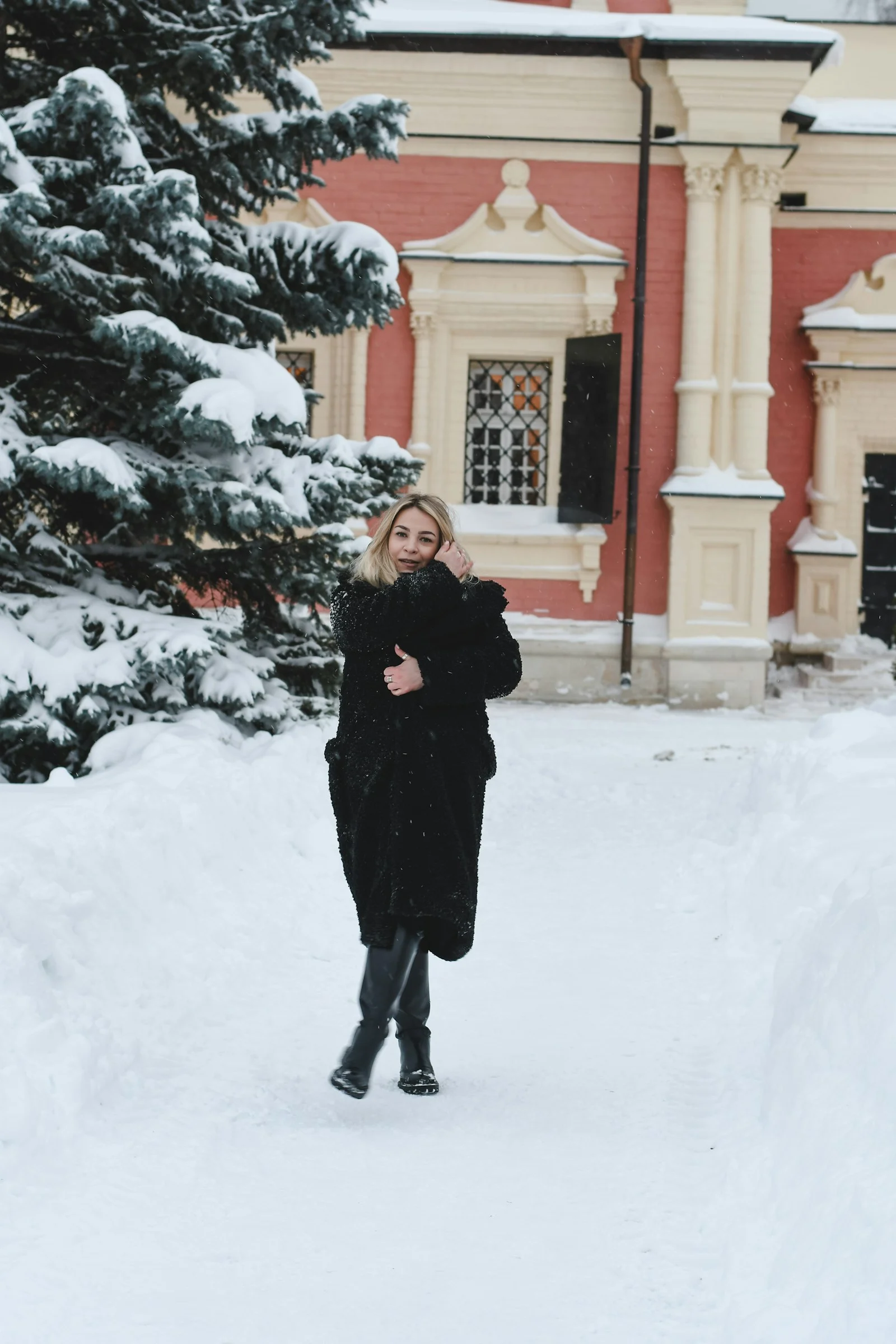
Usually best for: business dress, appendix carriers, and anyone who can usually wear the coat open.
Hoodies and sweaters: easy layer, sneaky snag
A heavy pullover hoodie is the unofficial winter uniform in a lot of cities, and it conceals well because the fabric is thick and the cut is loose. To draw, your support hand (the one you don’t shoot with) grabs the front hem and pulls it up high, toward your chest, so your strong hand has a clear path. Practice pulling it higher than feels necessary. Half-lifted hems are how grips get snagged.
Watch the front pocket. It sits right over appendix carry and can catch the grip on the way out. Drawstrings are worth a look too: trim them or tuck them so they can’t slip into the holster when you reholster (put the gun back in the holster).
Which carry positions work under winter layers?
Your coat decides a lot, but so does where the gun rides. Here’s how the common positions hold up. (For the full breakdown, see our guide to appendix vs. strong-side carry.)
- Appendix (AIWB): usually the easiest winter position. The front of a coat opens more easily than the side, and pass-through pockets line up with it. PHLster’s winter guide says most people find an appendix draw pretty easy in a winter jacket once they set up their clothing for it, though it still takes practice.
- Strong-side hip (3 to 5 o’clock): great under open layers. Under a zipped coat, the hem often sits right at grip level and has to come way up or way back.
- Shoulder and cross-draw: you reach into the front of an open coat, which makes them comfortable for drivers and seated work. The catch is that the coat has to stay on. Take it off and a shoulder harness is on full display.
- Coat pocket: fast while you’re wearing it, gone when you’re not. See the ground rules above.
Gloves: the part everybody forgets
Bulky gloves and pistols don’t mix. Every winter carry guide we checked lands in the same place: thinner is better. The trainers at ConcealedCarry.com say they’ll give up a little warmth for a thinner glove, because the extra dexterity matters more when you’re running the gun.
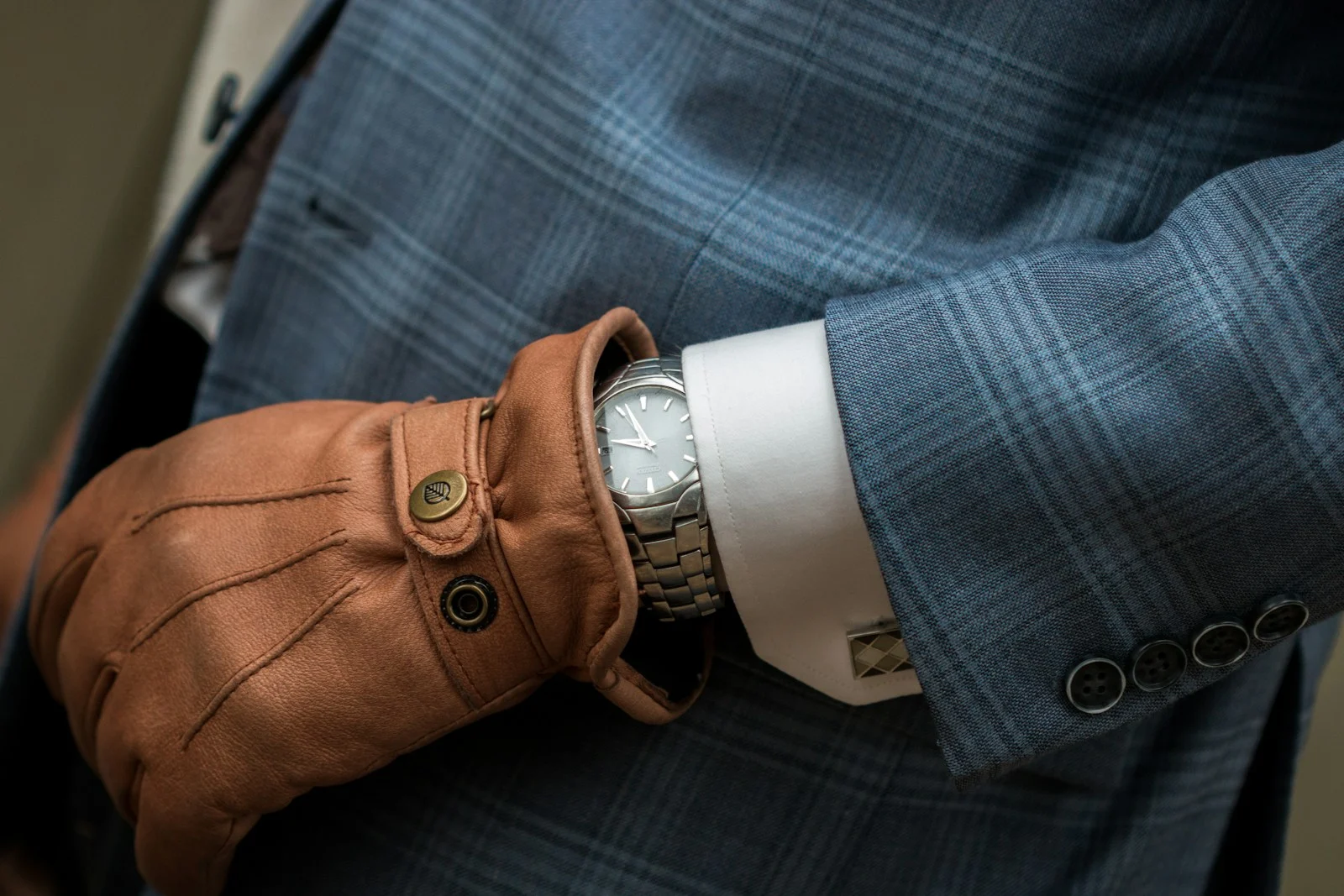
Two quick checks before you trust any pair (with an unloaded gun):
- Trigger guard fit. Your gloved trigger finger has to slide inside the trigger guard without forcing it. Vedder calls this out as the first thing to check when buying gloves for carry.
- Controls. USCCA recommends making sure you can work the safety (if your pistol has one), the magazine release, and the slide lock with your gloves on.
Options by how you spend your day:
- Thin leather or driving gloves: everyday city wear, solid grip, decent warmth, and they look like regular gloves.
- Thin liner gloves under mittens: for the truly cold days. Shake the mitten off and you’ve still got a thin glove on.
- Thin shooting or work gloves: great dexterity, but some look more tactical than you want at the office or on a date night. Pick a plain one.
And when you reholster with gloves on, slow down and look the gun into the holster. Glove fingertips, coat toggles, and drawstrings can all end up in the holster mouth, and nothing belongs in there but the gun.
When the coat comes off indoors
This is the moment that catches people. You walk into the office, the coffee shop, or a packed train car with the heat blasting, and the coat comes off. Whatever you’re wearing underneath now has to hide the gun all by itself.
Plan your outfit from the inside out. If your base layer prints with the coat off, it doesn’t matter how well the puffer hides everything outside. Our guide on how to stop printing covers the fixes, and our guide to carrying at work covers dressing for the office.
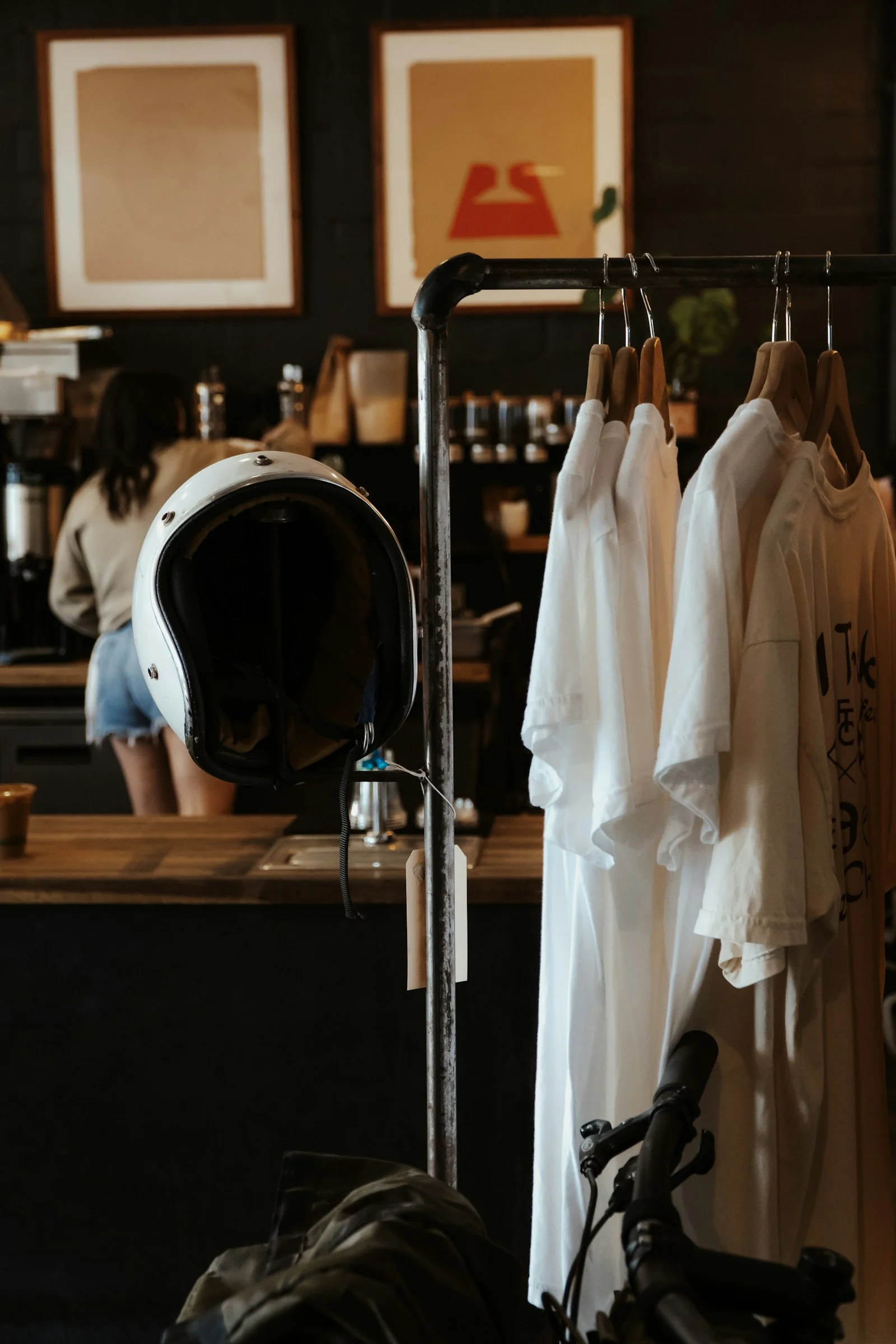
And never hang up a coat with a gun in it. A coat on a hook or a chair is a gun you’re not controlling. Depending on where you are, leaving it unattended can also get you in legal trouble, so check the rules where you live and work in our concealed carry laws by city.
Driving in a heavy coat
Cars and coats don’t get along either. Buckled in, the seatbelt crosses your coat and your coat covers your holster, so you’ve got two things to clear before you reach the gun. Strong-side hip carry gets especially awkward in a seat, which is one big reason a lot of drivers prefer appendix carry or a vehicle-specific setup.
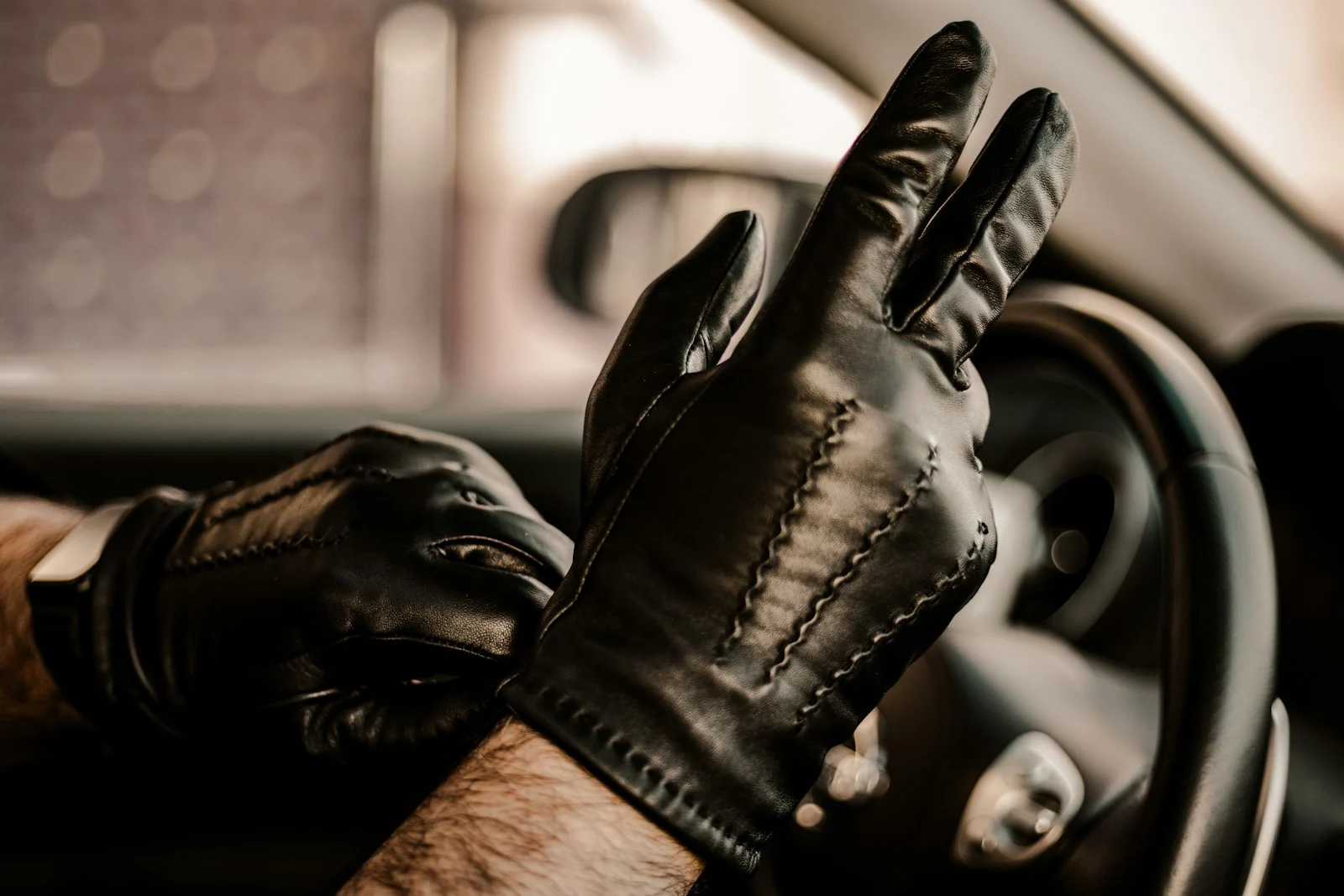
A few things that help:
- Unzip before you buckle. It takes two seconds and leaves you a path to the gun.
- Shorter coats are friendlier for daily driving. A long coat bunched up in a car seat is a mess to clear.
- If the coat comes off in the car, the gun stays on you. Not in the coat, not on the passenger seat.
For more on staying comfortable behind the wheel, see how to carry comfortably while driving and our breakdown of car gun holsters and mounts. If you have to leave the pistol in the car somewhere you can’t carry, use a car gun safe, and remember that vehicle storage rules vary by state and city.
Test your winter setup before you trust it
Every source we checked says the same thing: practice in your actual winter clothes. Shooting Illustrated recommends working out your draw in dry practice (practice with an unloaded gun) while wearing your winter coat and gloves, and NRA Women notes that a range that lets you draw from concealment is the best place to train it live.
- Unload the pistol, check it twice, and put all ammo in a different room.
- Get fully dressed: base layer, coat, gloves, whatever you actually wear out the door.
- Slowly clear the layer, get your grip, and draw. Then do it seated, like you’re in the car or on the bus.
- Reholster slowly and look the gun in.
- Try it with the coat zipped, unzipped, and off. Whichever version you can’t do smoothly is the one to fix.
If something keeps snagging, change the clothes before you change the gun. A different coat or a thinner pair of gloves fixes most winter carry problems.
Find what works for you
Ready to winter-proof your setup? Check out Arrowhead’s concealment jackets for layers built around the draw, Rounded by Concealment Express for Kydex holsters made for specific pistols, or Galco’s holster lineup if you prefer leather. And before you carry somewhere new this season, check the rules in our concealed carry laws by city.
Winter doesn’t have to mean choosing between warm and ready. Start with the coat you already own, test it, and adjust from there. What works for a slim guy in a bomber jacket won’t work for everybody, so find what works for your body, your wardrobe, and your commute, and carry with confidence.
Sources
- USCCA, Winter Weather Concealed Carry (gloves and firearm controls)
- NRA Women, How the Seasons Affect Your Concealed Carry (coats, access, and practice)
- Shooting Illustrated, Tips for Wintertime Concealed Carry (dry practice in winter clothes)
- PHLster, Winter Concealed Carry Tips: How to Draw in a Jacket
- Vedder Holsters, How to Conceal Carry in the Winter (concealment and gloves)
- Vedder Holsters, Women’s Winter CCW Tips (coat pocket carry)
- ConcealedCarry.com, Cold Weather Considerations for Concealed Carry
- Gun Carrier, Winter Dressing for Concealed Carry (outerwear features)
- Arrowhead Tactical Apparel, Concealment Puffer Vest and Jacket, QuickDraw Flannel, and jacket comparison (features, fit notes, and reviews, checked November 2026)
Photos via Unsplash by Marcin Skalij (featured), Good Faces, Dina Makhmutova, Omar Al-Ghosson, Joshua Reddekopp, Kyle Loftus, Katt Galvan, and Jakob Owens. Product photos courtesy of Arrowhead Tactical Apparel.
Affiliate disclosure: Some links in this article are affiliate links. If you buy through them, Urban Carry Info may earn a commission at no extra cost to you.