
Vehicle Concealed Carry: The Complete Guide for City Drivers (2026)
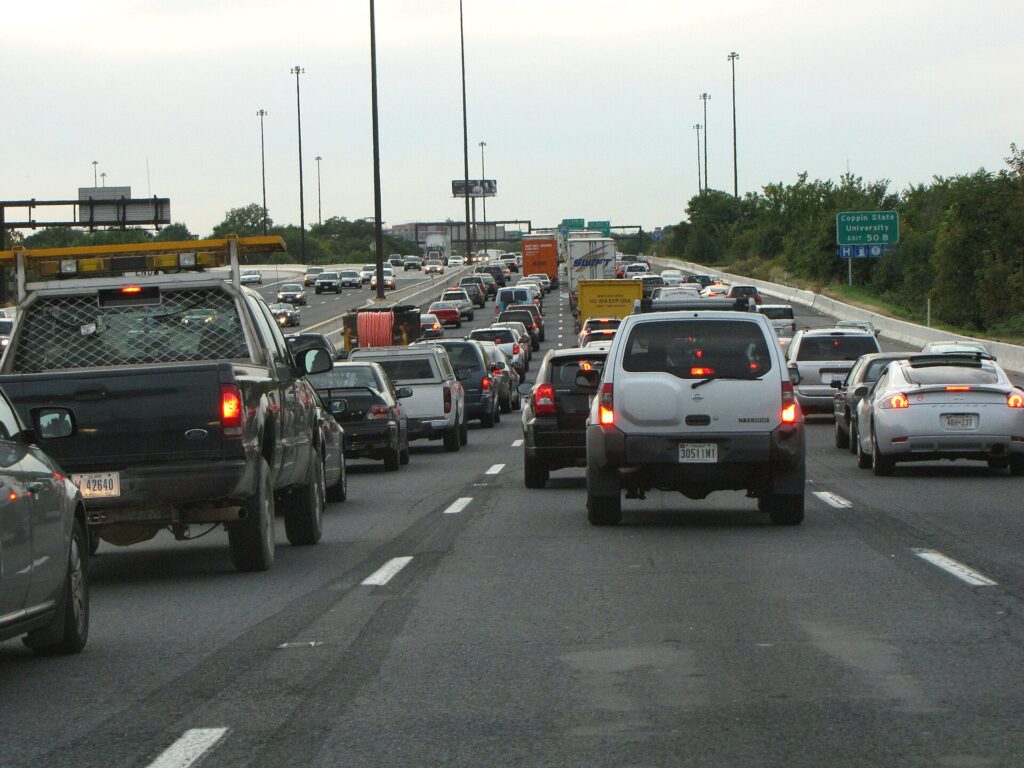
If you carry in the city, your gun probably spends more time in a car than anywhere else. The commute, the grocery run, the drive to a job site, the minute you sit in a parking garage before walking in. And the car is where a lot of carriers get sloppy, because it feels like your own space.
Here’s the thing: legally, your car isn’t your living room. Every state has its own rules for guns in vehicles, and those rules can flip the second you cross a line on the map. (I used to drive for a living, so this one’s close to home.)
This guide covers concealed carry in your car from every angle: what your permit does and doesn’t cover in the car, crossing state lines, traffic stops, leaving the gun behind when you can’t take it inside, car safe options, and how to actually be comfortable carrying behind the wheel. There’s no holy grail setup here. Take what fits your car, your body, and your commute.
Vehicle carry at a glance
- Your permit usually covers your car, but only where that permit is honored. Maryland and DC don’t honor anyone else’s.
- No permit? Most places only let you transport a handgun under tight rules, and those rules vary a lot.
- Federal law protects travel through restrictive places only if the gun is unloaded and out of reach.
- Leaving it in the car now has rules in some places. Virginia requires a locked, hard-sided container out of sight.
- In DC, you must tell an officer you’re carrying during a stop.
- Uber bans guns for riders and drivers using its platform.
Does your carry permit cover your car?
In most places, yes, as long as the permit is good where you’re driving. A carry permit is about where you are, not what you’re sitting in. If your permit is valid in that state, carrying in your car is generally treated like carrying on foot.
The trouble starts without a permit, or with the wrong one. That’s where vehicle laws get strict, and where they swing wildly from one jurisdiction to the next. Here’s how it shakes out in the four places our readers drive most.
| Where | With a valid permit | Without one | Watch out for |
|---|---|---|---|
| Maryland | Maryland Wear and Carry Permit only. No other state’s permit counts. | Only unloaded, in an enclosed case or enclosed holster, while traveling between specific places like home, the range, or a repair shop. | The transport exceptions are narrow. The trip has to fit one of them. |
| Washington, DC | DC concealed carry license, and concealed only. | Only under DC’s transport rules: unloaded and out of reach of the passenger compartment. | You must tell officers you’re carrying during a stop. When DC requires you to lock it up in the car, the glove box and console don’t count. |
| Virginia | A Virginia permit or a recognized out-of-state permit (that list is changing). | A lawful owner can keep a handgun in a personal vehicle if it’s secured in a closed, latched container or compartment. | Since July 1, 2026, an unattended car needs a locked, hard-sided container out of sight. |
| Pennsylvania | A Pennsylvania License to Carry Firearms or a permit Pennsylvania recognizes. | Generally a crime. Narrow exceptions cover things like traveling unloaded to or from the range. | Philadelphia adds its own rules on top. |
Last checked October 2026. Laws change, so confirm before you travel.
For the details on each one, see our Maryland Wear and Carry Permit guide, Washington, DC carry laws, Virginia concealed carry laws, and Philadelphia carry laws.
Crossing state lines: your car isn’t a passport
City driving means state lines. If you live in the DMV, you can hit three jurisdictions before lunch. A permit that’s good at home can turn into a serious charge a few miles down I-95.
Federal law offers one safety valve. Under 18 U.S.C. § 926A (the safe passage part of the Firearm Owners Protection Act, usually called FOPA), you can transport a gun through a place where you couldn’t otherwise have it, as long as you can legally have it where your trip starts and where it ends.
The catch: the gun has to be unloaded, and neither the gun nor the ammo can be readily accessible from the passenger compartment. If your vehicle doesn’t have a trunk, it goes in a locked container, and the glove box and center console don’t count.
Think of it as a travel rule, not a carry permit.
The moment you load it, keep it on you, or stash it in the console, you’re outside its protection. For the region-by-region breakdown, see our DC-Maryland-Virginia reciprocity guide and the state-by-state reciprocity guide.
What happens at a traffic stop?
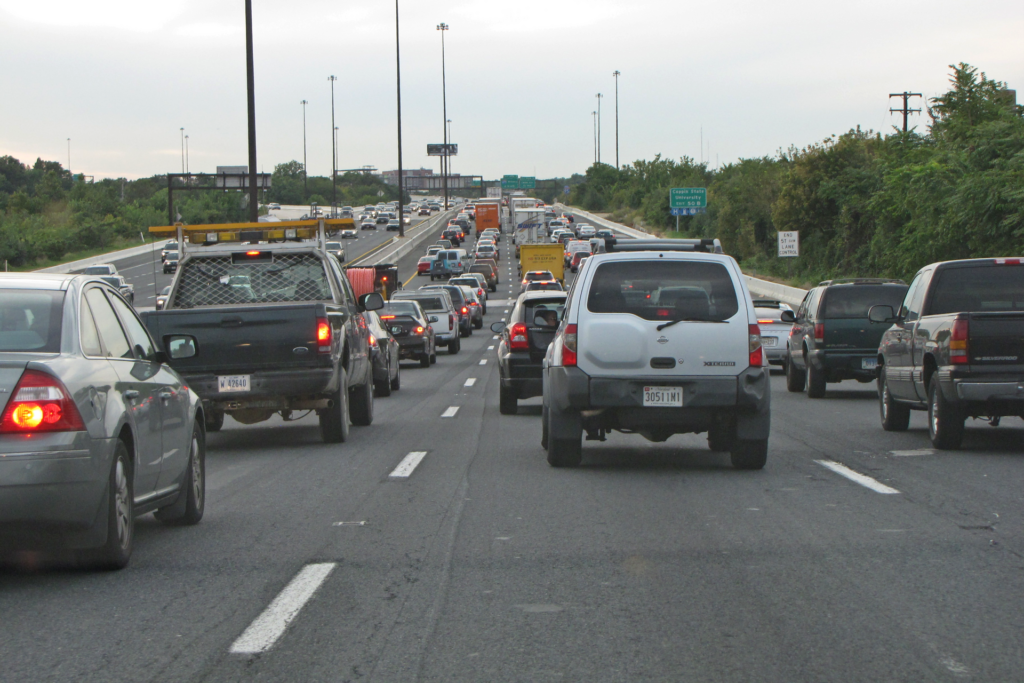
Getting pulled over is stressful enough without a gun in the mix. The goal is simple: no surprises for the officer, and no sudden moves from you.
Do you have to tell the officer?
Depends where you are. In DC, a licensee has to tell the officer they’re carrying during a stop, hand over the license and the gun’s registration certificate, and say where the gun is. Maryland doesn’t require you to volunteer it, but you have to carry your permit and show it when asked. Virginia works the same way: no duty to speak up first, but you show your permit and photo ID if an officer asks. Our duty to inform guide covers more states.
How to handle the stop
- Pull over somewhere safe, turn the engine off, and switch on the dome light at night.
- Keep both hands on the wheel where the officer can see them.
- Don’t reach for your wallet, registration, or glove box until the officer knows what’s going on and tells you to.
- If you’re telling the officer, keep it calm and simple: you have a permit, you’re carrying, and here’s where the gun is.
- Follow instructions. If the officer wants to secure the gun during the stop, let them handle it.
Boring is the goal. Boring stops end with everybody going home.
Leaving your gun in the car when you can’t take it inside
We’ve said it before: when you’re headed somewhere you can’t carry, the car is your fallback. In a city, that happens a lot. Courthouses, schools, government buildings, and plenty of workplaces are off-limits.
But a car is a lousy safe if you just toss the gun under the seat. Break-ins happen fast, and a stolen gun doesn’t just cost you money. It ends up somewhere you never wanted it.
Some places now put that in writing. Virginia’s § 18.2-308.7:2, in effect since July 1, 2026, makes it a misdemeanor to leave a handgun in an unattended vehicle unless it’s out of plain view in a locked, hard-sided container. A locked glove box or locked center console counts there.
DC goes the other way on consoles. When a DC licensee is heading into a place where carry is banned and has a car available, the law says to secure the pistol the way DC requires for transport: unloaded and out of reach of the passenger compartment, and if there’s no trunk, in a locked container that isn’t the glove box or console.
Even where the law is silent, we treat the Virginia standard as the bare minimum: locked, hard-sided, out of sight. And do the swap before you park, not in the lot with everybody watching.

Car safe options by how you drive
There’s no single best car safe. The right one depends on your vehicle, your gun, and how often you’re locking it up. Here are the main directions:
- Bolt it in and forget it: the Bulldog Cases Car Safe is a steel, key-lock box with a mounting bracket and a security cable. It fits drivers who want a permanent spot under the seat or in the trunk and don’t mind using a key.
- Grab-and-go with a keypad: the Vaultek LifePod 10 is a compact, rugged case with a backlit keypad, a backup key, and a steel cable you can loop around a seat bracket. It also meets TSA guidelines for flying with a firearm in checked bags, so it works if you switch cars or travel.
- Bigger gun, fastest access: the Vaultek LifePod 20 Biometric fits a full-size handgun up to 9.25 inches long and opens by fingerprint, keypad, or key, with a steel security cable included.
- Out of sight, zero clutter: a console vault is a steel insert built for a specific vehicle that turns the factory center console into a locked box. Great if one is made for your car (just remember a console doesn’t count under DC’s rules).
Whichever you pick, use the cable or the bolts. A lockbox that isn’t attached to anything is just a handy carrying case for a thief.
Heads up: some links in this guide are affiliate links. If you buy through them, Urban Carry Info may earn a commission at no extra cost to you. As an Amazon Associate we earn from qualifying purchases.
Carrying comfortably behind the wheel
Sitting changes everything. A holster that disappears when you’re standing can dig into your gut or jam against the seat the moment you buckle up.
- Appendix carry tends to stay reachable when you’re seated, but it can press into your stomach on long drives, especially if you carry some weight up front.
- Strong-side hip carry is often more comfortable for the drive itself, but the seatbelt and seat bolster can cover the gun and slow your draw.
- A stiff gun belt matters more in the car than anywhere else, because sitting puts the most strain on your whole setup.
- Practice drawing from the driver’s seat at home, with a verified unloaded gun or a training replica, before you ever need to do it for real.
What about car holsters that mount under the dash or on the seat? They’re popular, but think through the transition. Every time you get out, you either move the gun to your body in a parking lot or leave it in a mount anyone can spot through the window. For most city carriers, on-body carry plus a proper car safe is the simpler system.
More on both: Appendix vs. Strong-Side Carry and Gun Belts for Concealed Carry.
Rideshare: Uber, Lyft, and your carry gun
If you ride or drive for a rideshare service, the company’s rules matter too. Uber’s firearms policy prohibits riders and their guests, plus drivers and delivery people, from carrying firearms while using the platform, to the extent the law allows. Break it and you can lose your account. Lyft has its own weapons policy, so read it before you ride or drive.
That’s a company rule, not a criminal law. But if driving is how you pay the bills, losing your account is a real cost, so read the fine print first.
Your vehicle carry checklist
- Know whether your permit is honored in every state on your route.
- Know whether each place requires you to tell an officer you’re carrying.
- Keep your permit and ID on you, not in the glove box next to the gun.
- Have a locked, hard-sided container attached to the car for the times you can’t carry.
- Make the swap before you park, not in the lot.
- For trips through restrictive places, unload and lock it up under the federal travel rule.
- Recheck the law before big trips. Vehicle rules are changing fast, especially in Virginia.
Frequently asked questions
Can I keep a loaded gun in my glove box?
It depends entirely on where you are. Virginia lets a lawful owner keep a handgun secured in a closed, latched glove box even without a permit, but once you walk away from the car it has to be in a locked container. DC’s transport rules don’t count the glove box or console at all. In Maryland, a loaded handgun in the glove box without a Maryland permit is illegal carry.
Is my car an extension of my home?
Don’t count on it. Maryland and Pennsylvania specifically treat a handgun in a vehicle as carrying unless you have a permit or fit a narrow exception, and DC only allows transport under strict rules.
Does FOPA let me drive through Maryland or DC with my gun?
It protects travel through, not carry. You have to be legal where your trip starts and ends, and the gun has to be unloaded and out of reach. It doesn’t let you load it, carry it, or keep it in the console.
Do I need a car safe if I always carry?
We’d say yes. Sooner or later you’ll hit a courthouse, a school pickup, or a no-guns workplace, and you need a better plan than under the seat.
Find what works for you
Start with the basics: know where your permit is good, get a car safe that bolts or cables in, and practice from the driver’s seat. Then look up the rules for the places you actually drive in our concealed carry laws by city, and round out the rest of your setup from our gear picks.
Your car, your commute, and your body aren’t the same as the next carrier’s. Take what fits, skip what doesn’t, and build a setup you’ll actually use every day.
This guide is general information, not legal advice. Laws change, so confirm with the official sources below before you travel.
Sources
- 18 U.S.C. § 926A (interstate transportation of firearms)
- Maryland Criminal Law § 4-203 (wearing, carrying, or transporting a handgun)
- D.C. Code § 22-4504.02 (transportation of firearms), § 7-2509.04 (duties of licensees), and § 7-2509.07 (prohibited locations)
- Code of Virginia § 18.2-308 (secured container exception), Myers v. Commonwealth (Va. 2021), and § 18.2-308.7:2 (unattended vehicles)
- 18 Pa.C.S. § 6106 (firearms not to be carried without a license)
- Uber’s firearms policy, in the Uber Help Center